Spray drying has long been associated with one major pharmaceutical win: amorphous solid dispersions (ASD) that improve the bioavailability of poorly soluble small molecules. But a new executive summary from Catalent, featuring contributions from Nima Yazdanpanah, Procegence Founder, alongside experts from Catalent, GEA, and PolyPeptide, makes the case that the real potential of spray drying extends beyond ASDs to peptides, biologics, and the next generation of complex therapeutics.
The Biologics Bottleneck Is Real
With the widespread adoption of GLP-1 agonists and oral peptide therapies, the industry is running into capacity limitations. Lyophilization, the traditional default for peptide stabilization, simply wasn’t designed with this kind of volume in mind. Even the most sophisticated freeze-drying trains have a relatively modest output ceiling, and reaching commercial-scale demand through lyophilization alone would mean running an inordinate number of batches, each with its own quality control burden.
Spray drying offers a way forward. Its continuous and semi-continuous operation, paired with a track record of success with heat-sensitive peptides, makes it a credible option for manufacturers looking to scale beyond the limits of batch freeze-drying.
Scale-Up Isn’t Just “Bigger Equipment”
Moving from lab-scale spray dryers to high-pressure atomization in commercial-scale equipment doesn’t only impact the size of the instrumentation and the operation. It fundamentally alters droplet formation, drying kinetics, and final particle characteristics. Each dryer scale operates within its own droplet size and thermodynamic envelope, and while there’s overlap that allows replication of pilot-scale particles on commercial systems, getting there requires careful parameter optimization.
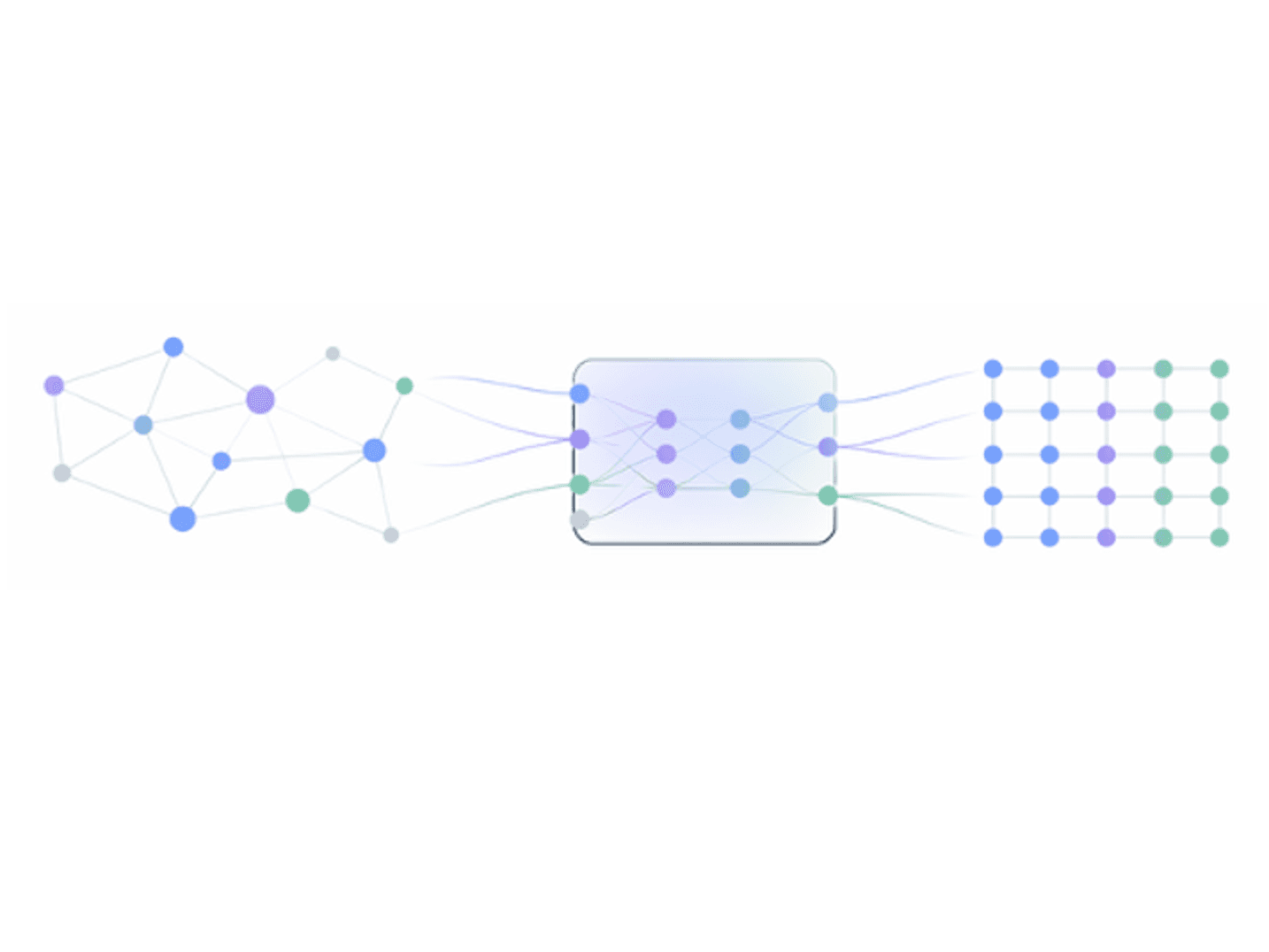
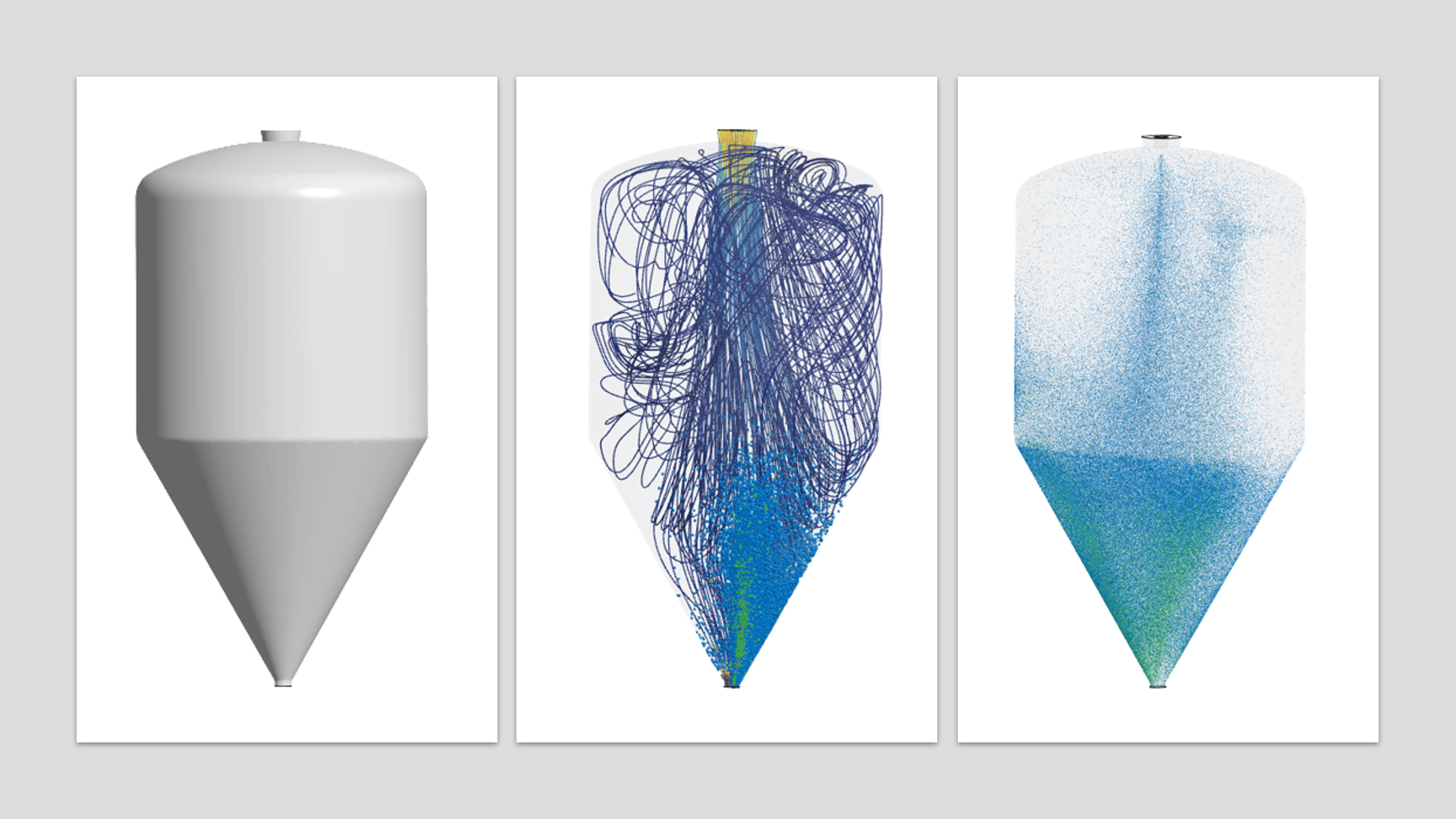
This is precisely the kind of challenge where mechanistic modeling pays for itself. Rather than burning time and material on trial-and-error scale-up runs, teams can use simulation to optimally select equipment (e.g. atomizers) and critical process parameters (CPPs), predict atomization behavior, droplet shrinkage, particle size distribution, temperature profile, possible degradation, and residual solvent content before ever stepping into the lab.
The result: development questions get narrowed down in advance, and laboratory time gets reserved for the experiments that are the most viable.
Quality by Design Meets Digital Tools
Spray drying success hinges on understanding how feed properties like excipient choice, solvent selection, and polymer behavior, translate into particle formation and final product quality. Variables like wettability, polymer dissolution, and solvent evaporation rate all interact in ways that are difficult to manage through intuition alone.
This is where Quality by Design principles and digital tools intersect. AI and mechanistic modeling help predict how critical material attributes (CMAs) and CPPs will affect the final formulation, cutting down on development time and resource use. And because pharmaceutical manufacturing carries serious financial stakes, with a single failed commercial batch costing millions in USD, the predictive value of simulation is hard to overstate.
Where This Is Heading
The executive summary published by Catalent points to two trends that will define spray drying’s next chapter:
- Tighter integration of process analytical technology with big data and AI-driven feedback loops, and
- Expanded adaptation for biologics and nanoparticle engineering
On the biologics side, concerns about protein denaturation from heat and shear are increasingly being addressed by the gentle, evaporative cooling inherent to the spray drying process itself.
Meanwhile, aseptic spray drying, which has been documented since the 1970s but only sparingly implemented, may see renewed interest as vaccine development demands more precise particle control than lyophilization can reliably offer.
The Bottom Line
Spray drying is evolving from a niche solubility-enhancement tool into a platform technology capable of supporting peptides, biologics, and next-generation modalities at commercial scale. But realizing that potential depends on getting scale-up right - and that’s where modeling and simulation make the difference between a smooth technology transfer and a costly setback.
To learn more, download the full executive summary, Beyond Amorphous Solid Dispersion: Novel Applications in Pharmaceutical Spray Drying.