Problem Definition & Project Initiation
01Understand problem and goals. Define scope and deliverables.
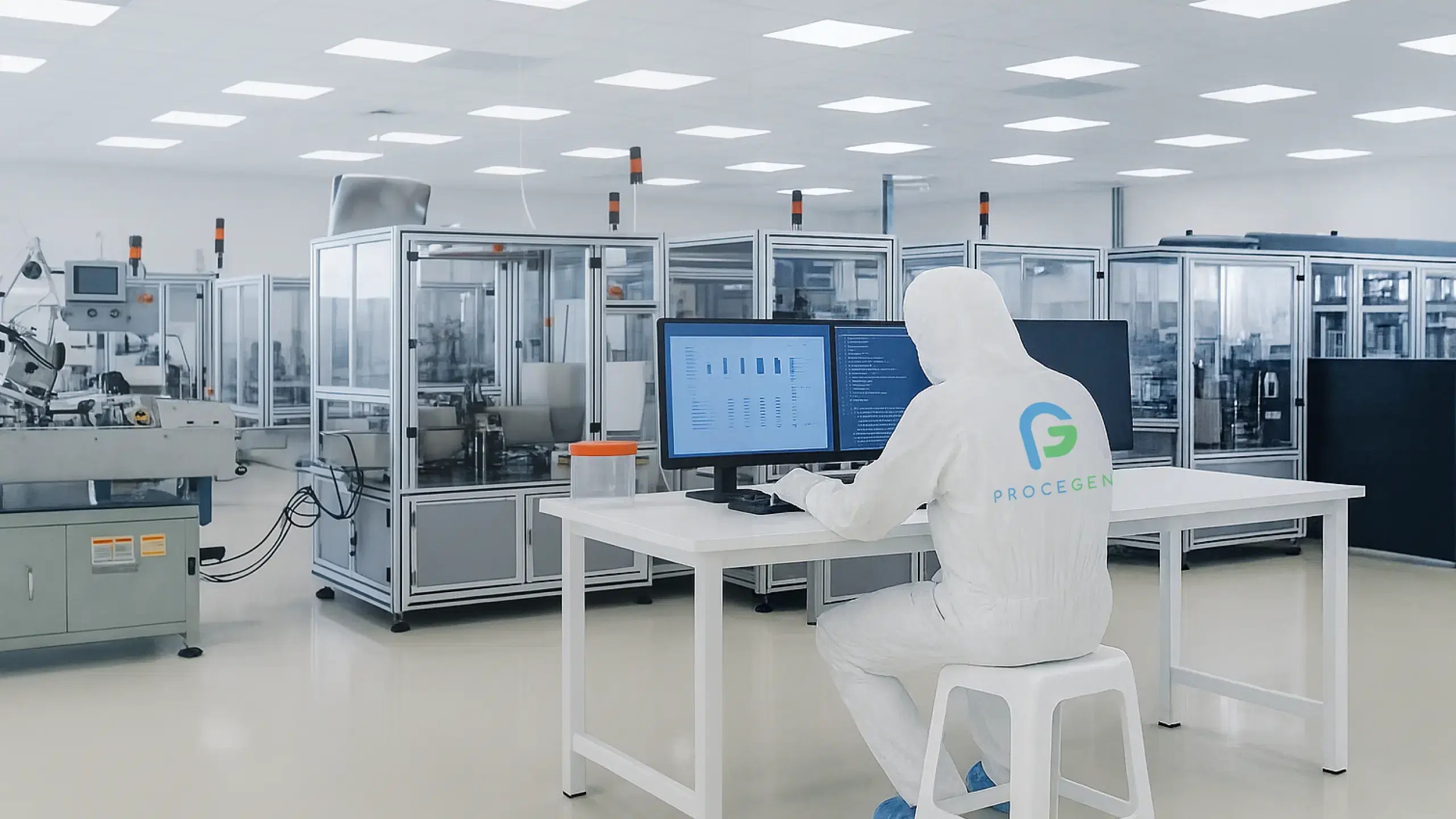


We see a future where companies are enabled to bring products and technologies to market far more quickly than we see today - using digital tools like modeling & simulation to accelerate innovation and reduce time-to-market.
To empower technical teams to integrate modeling and simulation best practices into their daily work to reduce costs, achieve faster time-to-market and do more with less.
Understand problem and goals. Define scope and deliverables.

Collect information and perform gap analysis. Build models and run test cases.
Review first round of results and feedback. Confirm direction, preliminary model validation.
Expand models with parametric study. Sensitivity analysis, optimization, and design space.
Clients' feedback and final validations. Reports, deliverables, and documentation.
Product / process development, tech transfer, and scale-up continue to be significant bottlenecks across industries. Traditional workflows and trial-and-error experimentation remain time-consuming, expensive, and inefficient.
At Procegence, we approach things differently. We harness the power of knowledge-based mechanistic models to help our clients work smarter, not harder. This process intelligence – the meaning behind our brand - offers predictive insights that enable companies to reduce time, cost, and risk, while improving quality, yield, and equipment performance.
"Process Intelligence for Informed Decision-Making" is the backbone of our commitment to making modeling & simulation accessible to everyone – whether you're just getting started or your predictive modeling team needs added capacity. Our goal is to deliver customized modeling & simulation services with a fast turnaround, so you can stay focused on your core mission.