Introduction
Modeling and simulation can be thought of as a “virtual test lab.” A model is a digital representation of something real, such as a machine, a factory process, or even how a medicine or a chemical is developed or manufactured. Running a model to see how it behaves under different conditions is a simulation. Testing an array of factors virtually allows the engineer, designer, or scientist to optimize the design or process more fully prior to embarking on real-life experimentation.
It's not uncommon to hear “modeling and simulation” used interchangeably with terms like mechanistic modeling, artificial intelligence (AI), data-driven or hybrid models, but although there are relationships amongst them, they are not the same. Understanding these distinctions is critical in understanding when each approach can and should be used.
Mechanistic Modeling: Built on First Principles
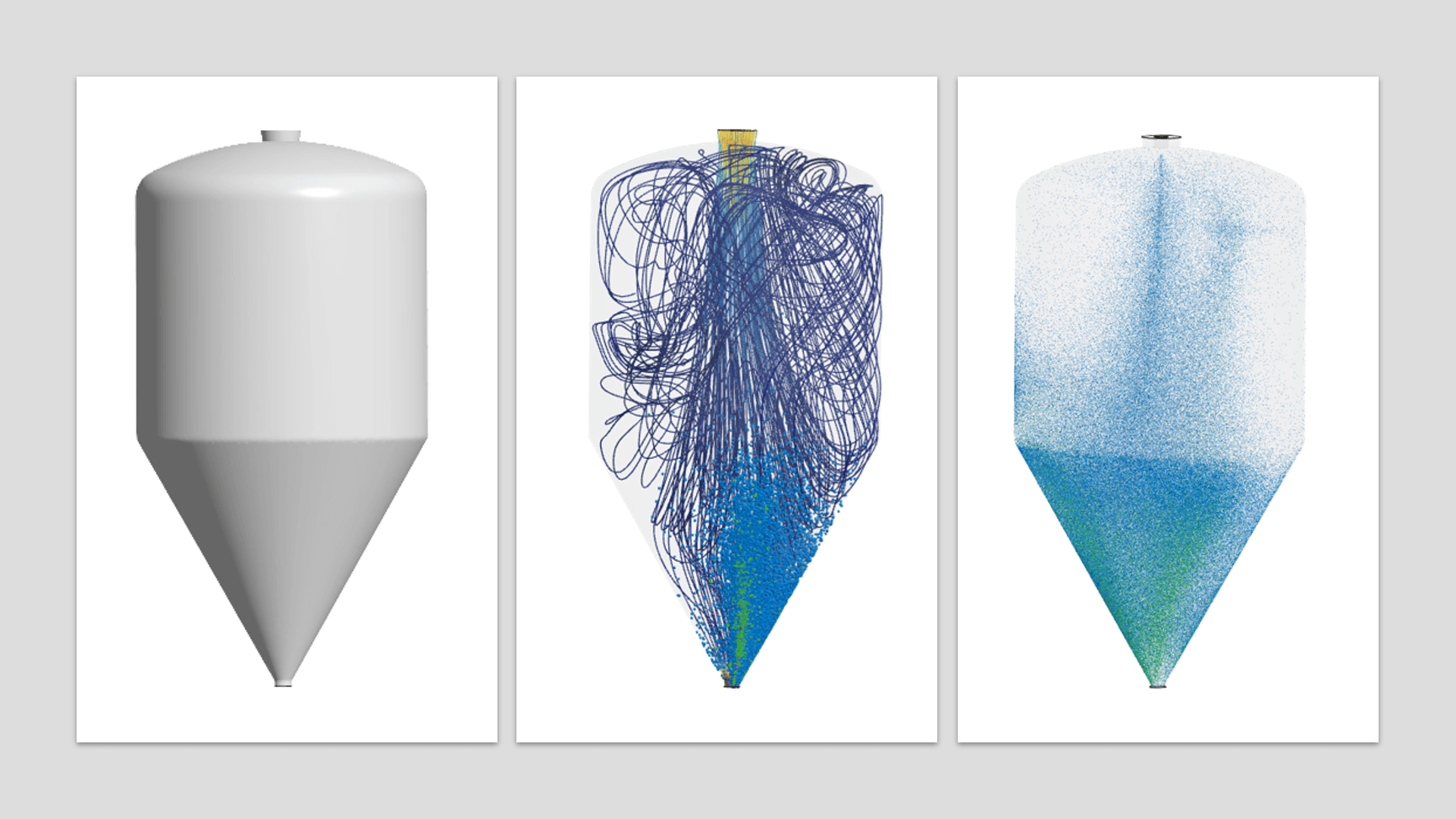
Mechanistic models are grounded in the fundamental laws of science, such as chemistry, physics, and biology, and they rely on correlations and equations that represent how a process or system should behave under different, known conditions.
Mechanistic models have been in use for decades, and engineers have used this information to design chemical reactors, predict heat transfer and fluid dynamics, and/or to optimize product formulations. Because they are tied to physical laws, mechanistic models are especially valuable when little or no data are available, such as during early product conceptualization and design as well as during development, scale-up, or technology transfer.
The strength of mechanistic models lies in their explanatory power. A mechanistic model doesn’t just tell you what is happening - it tells you why, making it a powerful tool for understanding root causes, testing “what if” scenarios, and building confidence in decisions.
However, building mechanistic models requires a detailed understanding of system parameters followed by careful verification for accuracy. Knowledge gaps limit this predictive accuracy, which opens the door for hybrid approaches, which will be discussed shortly.
Data-Driven and AI-Based Modeling: Patterns from Data
In contrast, data-driven models (including machine learning, ML, and other AI approaches) detect patterns and correlations in historical data and use those relationships to predict outcomes.
AI- and data-driven models can be highly effective when large, high-quality datasets are available. In drug discovery, for instance, AI models can scan through vast chemical libraries to identify and/or rank potential drug candidates. In manufacturing, data-driven models can help predict equipment failures by learning from thousands of historical operating hours.
The main limitation? They don’t necessarily explain why something happens. The data-driven models are just valid within the conditions and limits of data that they were trained on, meaning they are not extrapolatable and cannot be used for different equipment scale or new conditions. The ML model may be able to predict that a process will fail under certain conditions, but it may not provide much insight into the underlying mechanism. This “black box” nature can make AI powerful but sometimes difficult to trust, especially in regulated industries like bio/pharmaceuticals. In addition, generating large and high-quality dataset to construct such models, could be very costly and time consuming.
Hybrid Modeling: The Best of Both Worlds, Depending on the Application
Hybrid models combine first-principles knowledge with data-driven techniques. This combined approach allows teams to fill in the gaps using existing data when scientific understanding is incomplete, while still grounding the model in the fundamental laws of nature.
For example, a hybrid model might use mechanistic equations to describe well-understood chemical reactions, while applying ML to capture subtle empirical effects that are difficult to represent mathematically. Together, the model becomes more accurate and robust.
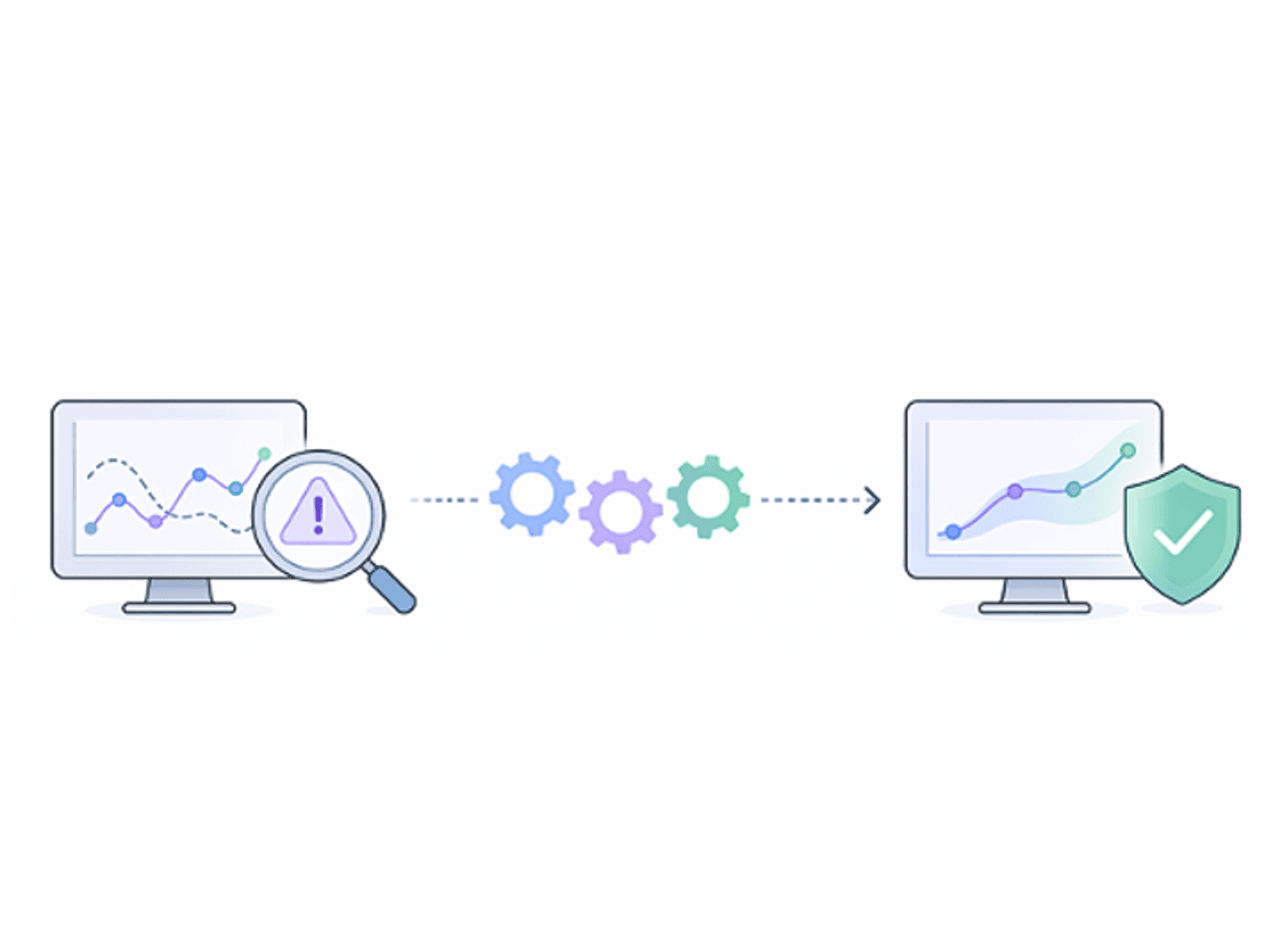
Hybrid models are also the foundation of digital twins - virtual representations of physical systems that can simulate performance, predict outcomes, and suggest optimizations in real time. Digital twins are increasingly being used across industries, from aerospace to energy to pharmaceuticals, as each segment strives to accelerate development and reduce risk.
A Brief History of Success Across Industries
Modeling & simulation have enabled a number of meaningful breakthroughs. In the aerospace industry, NASA used mechanistic models to simulate rocket propulsion and spacecraft trajectories decades before computers became mainstream. In the nuclear energy sector, where experimentation is costly and dangerous, mechanistic models have been used to simulate accident scenarios, like if a reactor’s cooling system were to fail. These simulations have increased disaster preparedness and improved system design even with limited real-life data.
The explosion of AI has created even more opportunity, but it has also highlighted the need for hybrid approaches. While data-driven models excel at pattern recognition, mechanistic models provide interpretability and confidence, particularly in highly regulated fields. This is why many industries now look to hybrid modeling as the future of simulation.
Looking Ahead
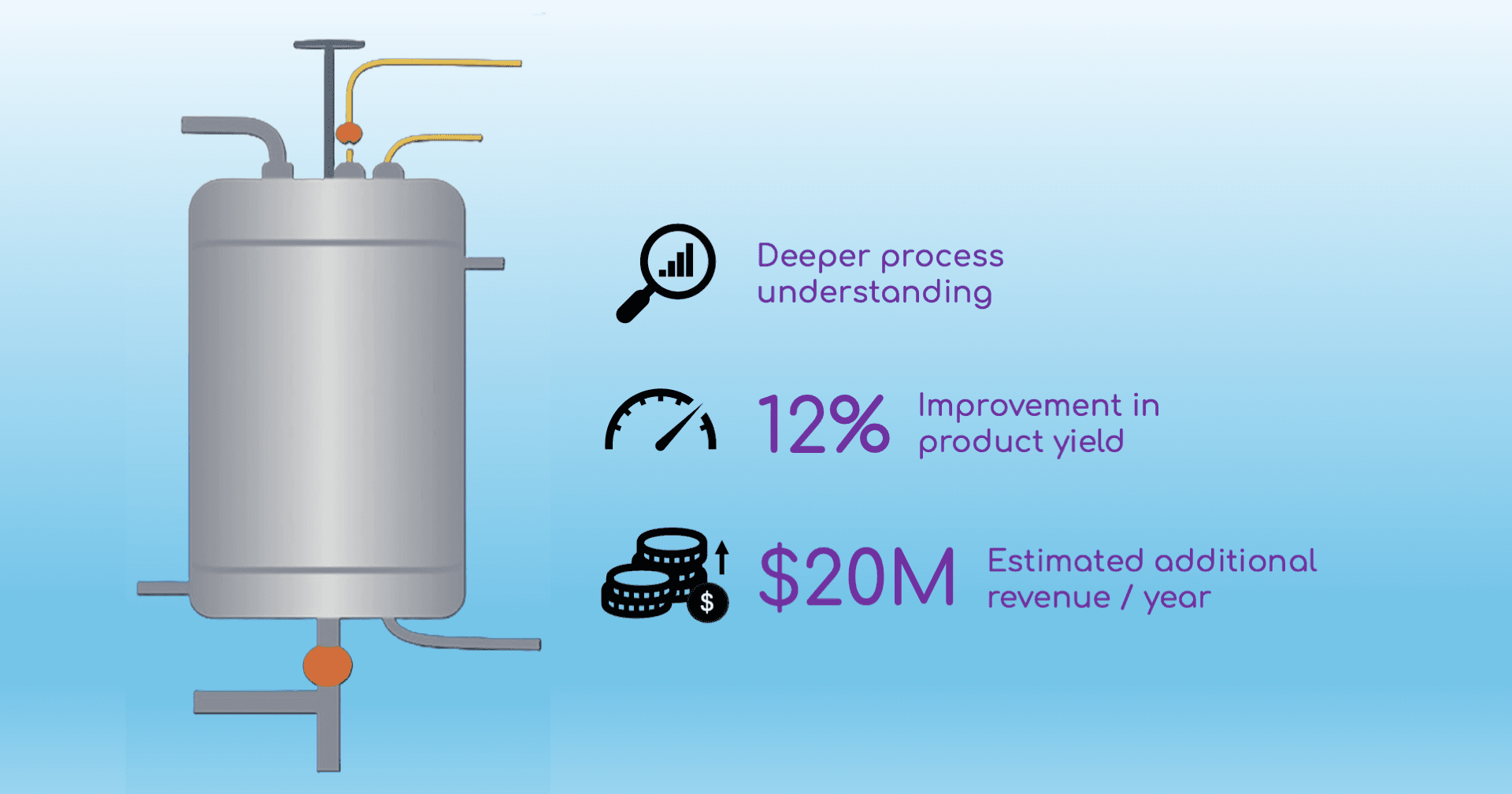
For organizations under pressure to innovate faster, reduce costs, and manage risk without compromising quality, modeling and simulation offer a way to explore possibilities virtually before committing time and resources in the real world. And when ready to apply these models, the time and resource savings are quickly realized.
- Mechanistic models provide insight when data is scarce
- Data-driven models generate predictions based on large datasets
- Hybrid models use the strengths of each approach
At Procegence, we believe in making these capabilities accessible through Simulation-as-a-Service - a flexible, on-demand model that lowers barriers to entry and delivers tailored solutions without the need for heavy in-house investment.