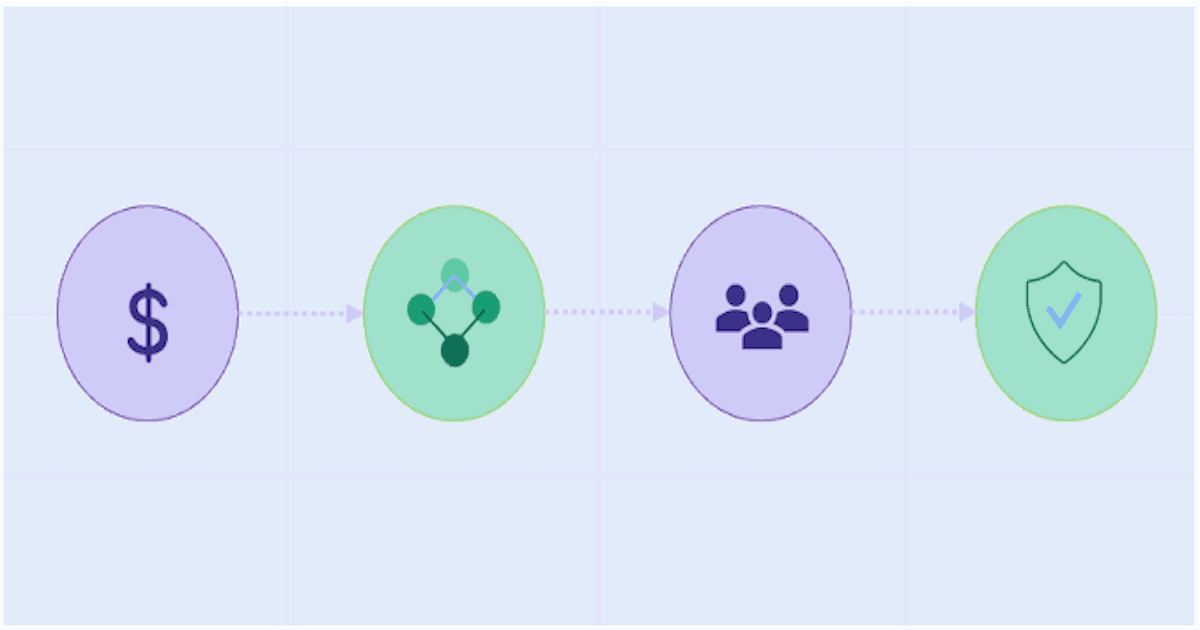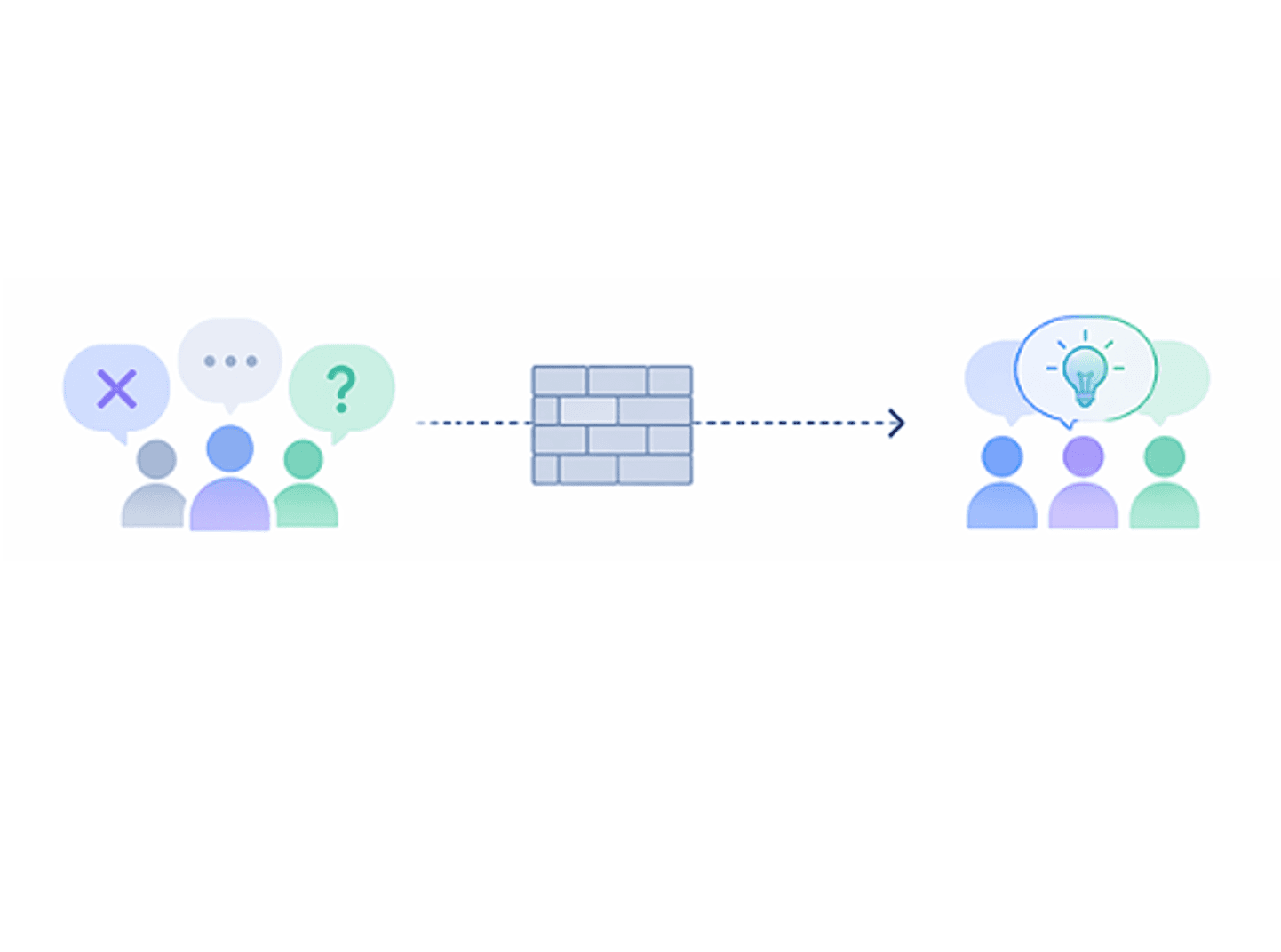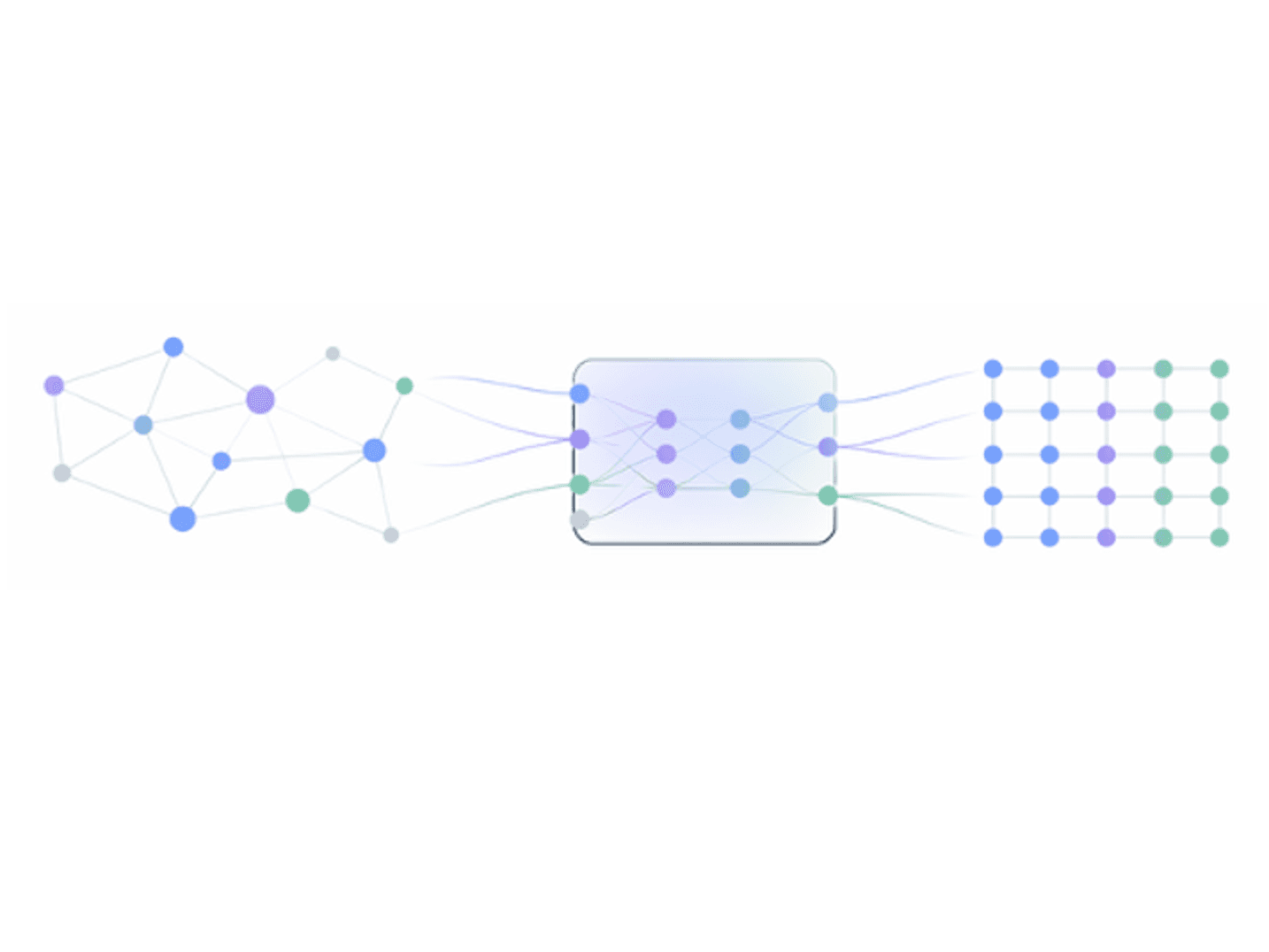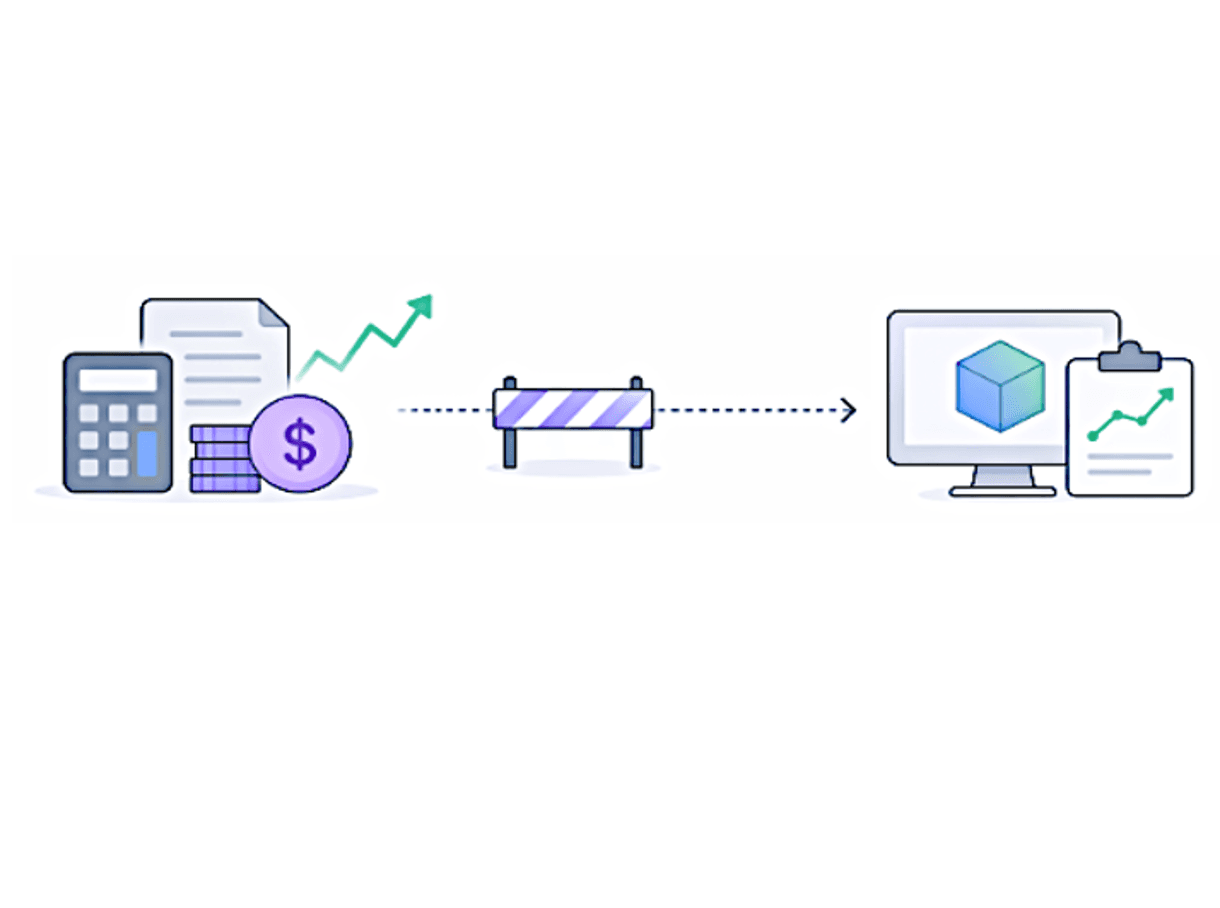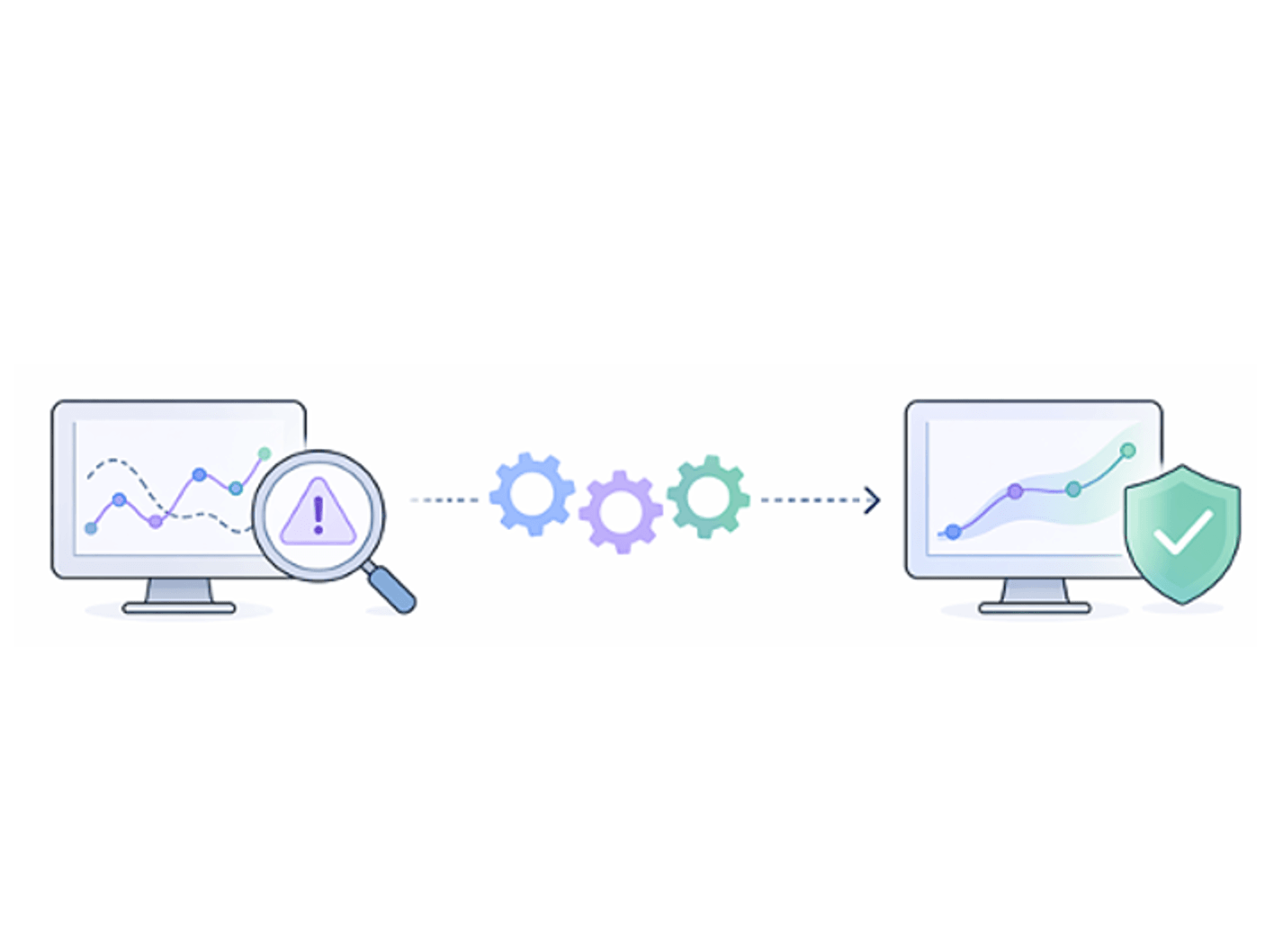
Cost, data readiness, and company culture are notable hindrances to the adoption of modeling and simulation (M&S), with questions around validation and trust often delivering the final blow.
Even organizations that invest in infrastructure, collect and prepare the right data, and voice cultural support for modeling frequently hesitate when the time comes to rely on models for real decisions. The question is rarely, “Can the model run?” It is almost always, “Can we trust the model?”
In pharmaceutical development and manufacturing, trust is not optional. Decisions driven by models can affect product quality, patient safety, regulatory filings, and supply reliability. Skepticism is rational, but how validation is approached often turns that skepticism into paralysis.
The Validation Expectation Gap
A common but unspoken assumption is that models must achieve certainty comparable to physical experiments before they are allowed to influence decisions. In practice, this translates into unrealistic expectations: exhaustive validation across all operating conditions, perfect agreement with limited and noisy datasets, and guarantees of performance under scenarios where experimental data does not, and often cannot, exist.
Ironically, experimental data is rarely held to this standard. Small sample sizes, narrow operating ranges, and confounding variables are accepted as a practical reality. Models, however, are often expected to outperform their data inputs.
This mismatch creates an expectation gap that few modeling efforts can close, regardless of technical quality.
What Validation Really Means
Model validation does not mean proving a model is “right.” It means demonstrating that it is fit-for-purpose. The “Context of Use” (COU) defines the objective (scope of a computational model used to address a particular question of interest), selection of model, what the model will be used for, how its results will be used, and how much decision-making depends on it.
A model may be valid for one COU and invalid for another, even with the same equations and implementation. The main validation question will be, “Is the model sufficiently accurate and credible for this specific COU?”

Process Diagram of the Risk-Informed Credibility Assessment Framework (adapted from ASME V&V 40)
A model intended to rank sensitivity of process parameters, inform scale-up risk, or guide experimental design does not need the same validation depth as one used for real-time control or product release decisions. Yet many organizations apply a one-size-fits-all validation mindset, making early stage and strategic models nearly impossible to justify.
Trustworthy models are not defined by perfection; they are defined by:
- Clear scope and intended use
- Transparent assumptions
- Quantified uncertainty
- Documented limitations
- Consistent behavior with known physics and data
Mechanistic and physics-based models naturally support this framework. Their structure is explainable, their extrapolations are grounded in first principles, and their failure modes are often easier to diagnose than those of purely empirical models.
The “Black Box” Problem
Trust erodes quickly when models are perceived as mysterious black boxes. This perception is not limited to AI or ML; even complex mechanistic models can feel opaque if not properly built, documented, and communicated.
Validation is therefore as much about communication as it is about mathematics. Stakeholders need to understand:
- Why certain assumptions were made
- Which data informed calibration
- Where predictions are strong, and where they are not
- How uncertainty propagates into decisions
Without this transparency, even technically sound models struggle to gain acceptance from engineers, quality teams, and regulatory stakeholders.
Why Validation Is Hard to Do In-House
Developing trustworthy, validated models is not trivial, and this is where many organizations underestimate the challenge.
Effective validation requires more than domain knowledge. It demands:
- Deep modeling expertise across physics, statistics, and numerics
- Experience defining validation strategies aligned with intended use
- Access to multiple software platforms and verification tools
- Robust documentation practices
- Knowledge of regulatory expectations and audit scenarios
For many bio/pharma companies, modeling is not a core competency. Their mission is to develop and manufacture medicines reliably and at scale, not to maintain a permanent, multidisciplinary modeling capability with all the associated tools, processes, and institutional knowledge.
As a result, internal teams often face an impossible balance: delivering models quickly while also meeting high standards of validation and trust, all with limited bandwidth and evolving requirements.
Outsourcing as a Trust Accelerator
This is where outsourcing expertise fundamentally changes the validation equation.
An expert modeling partner brings established validation frameworks, battle-tested workflows, and cross-industry experience that is difficult to replicate internally. These teams build models for a living and have seen where they succeed, where they fail, and how to design them to survive scrutiny.
Rather than assembling validation practices from scratch, an outsourced modeling partner helps organizations gain immediate access to:
- Proven model development and validation methodologies
- Independent technical judgment
- Well-documented, audit-ready workflows
- Specialized tools and computing infrastructure
- Teams that know how to navigate skepticism and the inevitable question, “Why should we trust this model?”
Outsourcing also introduces a healthy separation of concerns. Internal teams remain focused on experiments, manufacturing, and product delivery, while modeling experts focus on building reliable, defensible models that translate data and physics into insight.
Trust is Built Through Repeated Success
Trust in modeling does not come from one perfect model. It comes from consistent delivery of value.
When models reduce experimental burden, reveal non-obvious risks, explain scale-up behavior, and prevent late-stage surprises, confidence builds organically. Leaders become more willing to rely on simulations, teams bring modeling in earlier, and validation discussions shift from “Why should we use this?” to “How can we use this more effectively?” and “Where else can we apply similar models?”
Outsourcing accelerates this cycle by lowering the financial and organizational cost of early success.
Staying Focused on the Core Mission
Ultimately, pharmaceutical companies exist to manufacture medicines safely, efficiently, and at scale. M&S are powerful enablers of that mission, not just the product.
Outsourcing M&S does not mean relinquishing ownership of knowledge or decisions. It means recognizing that trust, validation, and technical excellence are easier to achieve when specialists do what they do best, while internal teams stay focused on what matters most to patients.
In an industry where the cost of wrong decisions is high, trust is the currency that determines whether modeling remains theoretical or becomes transformative.
Taking the Next Step
In this four-part blog series, we’ve discussed the top reasons that M&S adoption has stalled, including infrastructure costs, lack of data-readiness, company culture, and misaligned expectations around validation and trust. All these barriers point to the value of outsourcing M&S rather than waiting for the perfect time to build an in-house M&S team.
Procegence delivers the expertise your team needs, allowing you to begin realizing the benefits of M&S. Reach out so we can help you get started.