Introduction
In the quest to accelerate time to market, modeling and simulation (M&S) can no longer be viewed as a nice-to-have. Across bio/pharmaceuticals, fine chemicals, energy, and advanced manufacturing, its ability to reduce experimental burden, improve quality, and de-risk decisions is well understood. Regulators encourage its use. Industry leaders talk about it openly. Case studies show a tangible impact.
And yet, adoption remains uneven.
So why isn’t M&S more widely embedded into day-to-day product and process development?
It’s not for a lack of tools. Mature, commercially available modeling platforms exist across scales - from molecular and unit operation models to plant-wide simulations and digital twins.
And it’s not due to a lack of justification. Most organizations already have strategic initiatives focused on process improvement, supply chain resilience, sustainability, and risk reduction - exactly the areas where M&S delivers value.
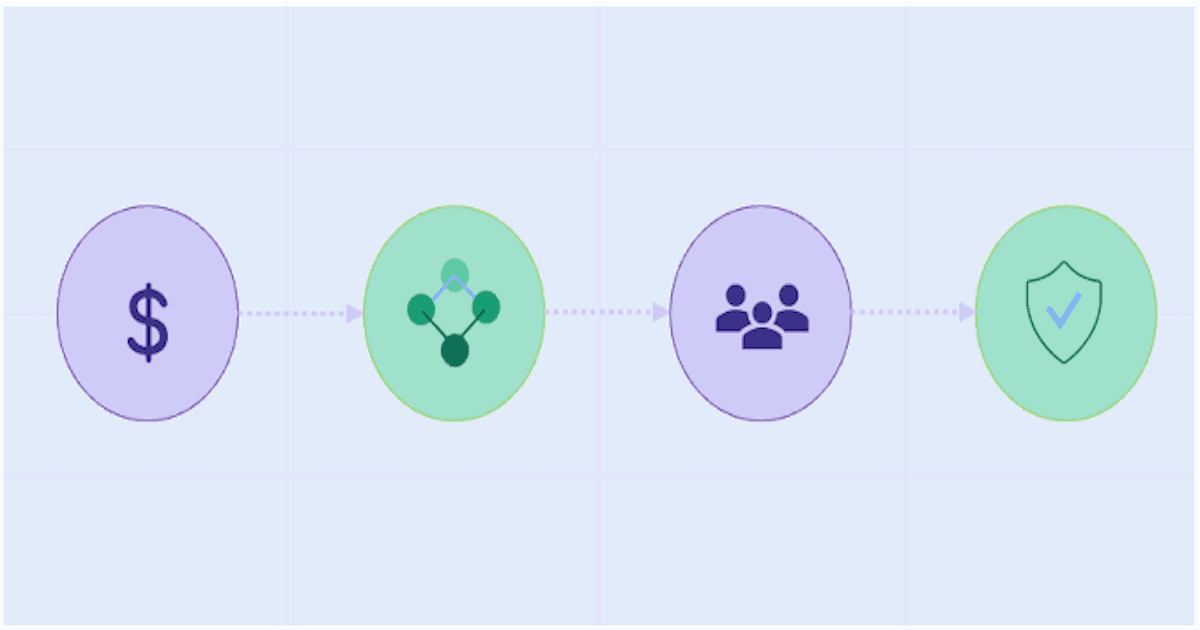
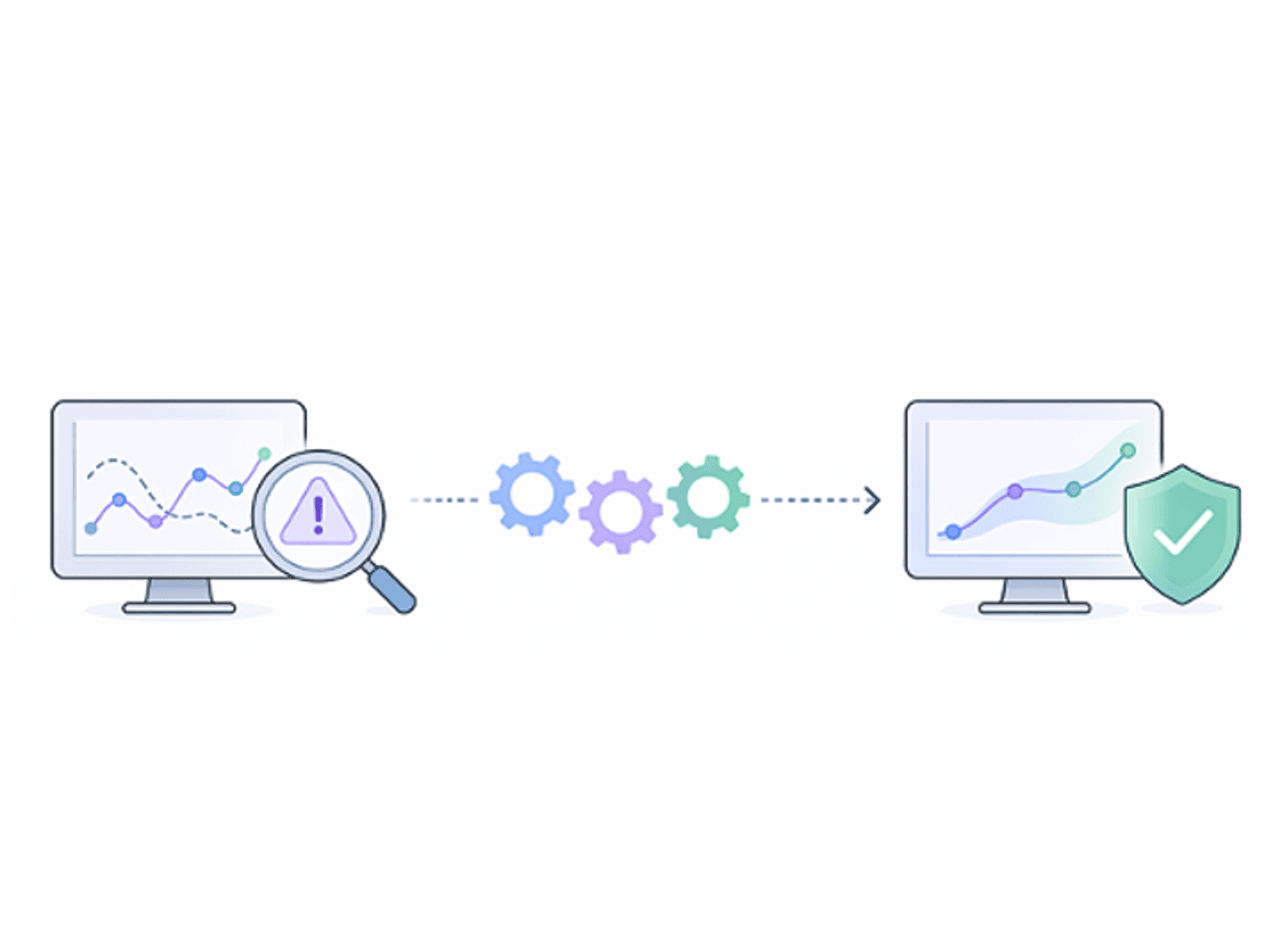
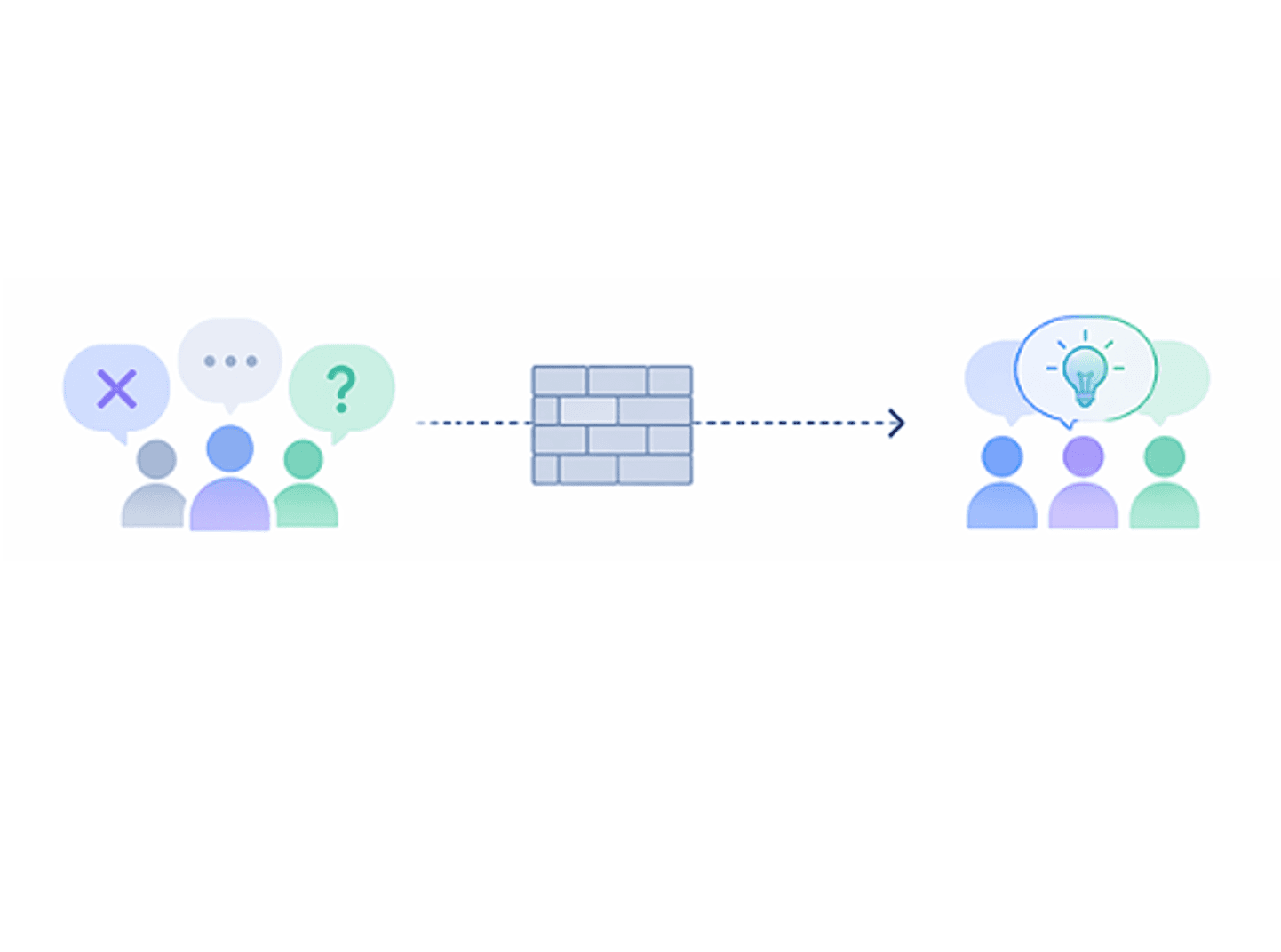
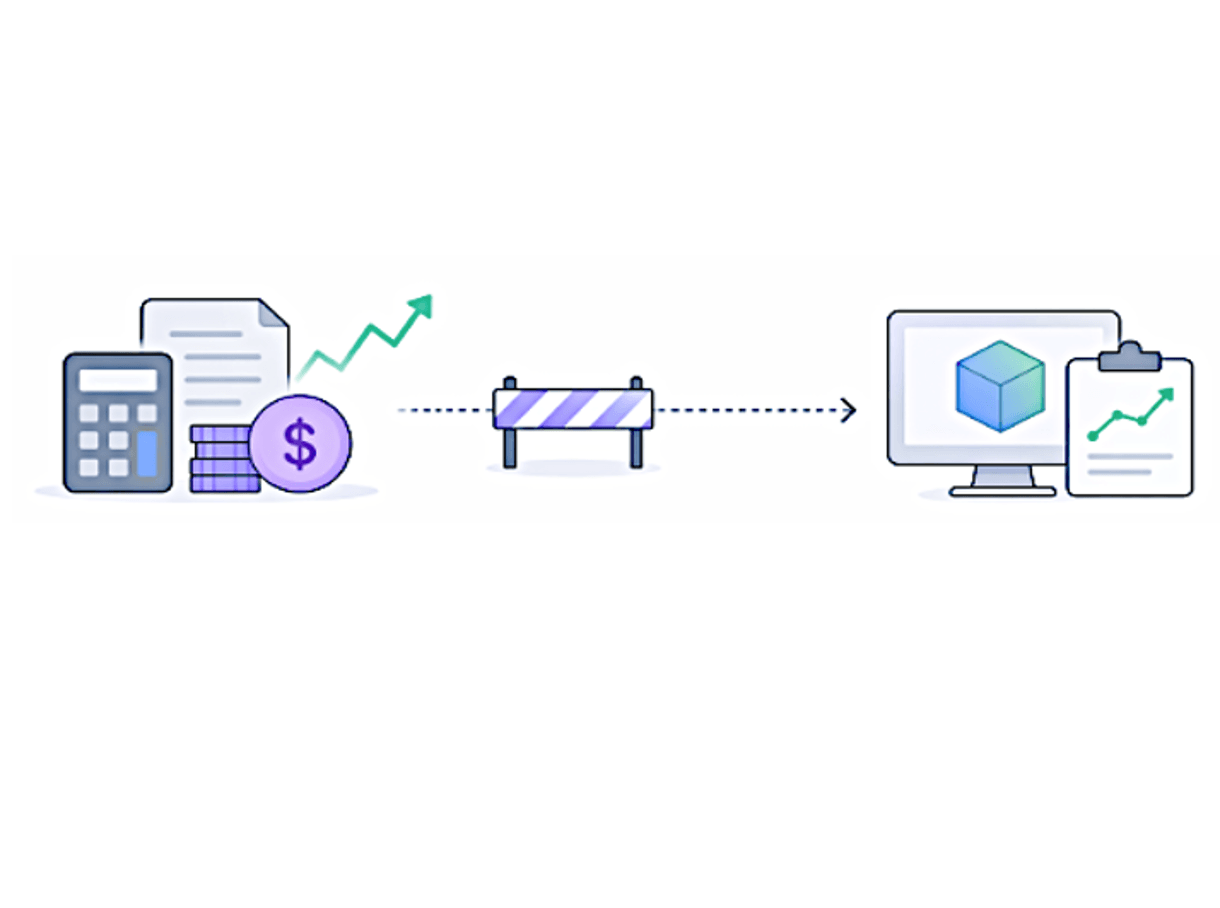
In this blog series, we will do a deep dive into four major hindrances holding companies back from M&S adoption:
- Infrastructure costs
- Data-readiness
- Company culture
- Validation and trust
We’ll begin this series with a discussion on the true cost of ownership of in-house M&S.
The True Cost of In-House M&S Capability
When organizations talk about “bringing M&S in-house,” the discussion often begins (and ends) with the cost of software licenses, when licensing is only one small component of a much larger investment.
A realistic in-house setup typically includes:
- Specialized talent spanning process engineering, chemistry, data science, and advanced modeling
- Onboarding, training, and knowledge transfer
- Multiple commercial-grade M&S software suites
- High-performance computing infrastructure (on-prem, cloud, or hybrid)
- Ongoing IT support, maintenance, and upgrades
A conservative, back-of-the-envelope estimate for a modest in-house team in a mid-cost region can easily approach $2M per year for a team of 5-6 personnel.
For each FTE, these investments go beyond salaries; they include initial and ongoing training, knowledge management, and talent retention. Importantly, much of this cost is fixed; regardless of whether M&S demand (project pipeline) is high or low, the organization carries the same costs for infrastructure and personnel expense.
This creates a structural problem: companies delay adoption because the upfront and recurring costs feel disproportionate to near-term needs, even when the long-term value of M&S is clear.
Total Cost of Ownership: A More Informed Perspective
A total cost of ownership (TCO) model is a more useful way to evaluate M&S capability. TCO typically falls into three distinct categories:
- Software and Compute
- Licensing costs (primarily with annual renewal) vary widely, as do compute costs (on-prem or cloud-based)
- Dimensions to consider are scale and usage model, along with depreciation, energy usage, and data management – all of which increase as model complexity grows
- Personnel
- Engineering talent is usually the highest contributor to the total cost, typically eclipsing the costs of hardware and software
- External Expertise
- Even with in-house expertise, it is common to solicit external specialists for domain-specific expertise or when extra capacity is needed
In all, these considerations help reframe the decision of whether to build in-house. It’s not just about the up-front costs; it is about the level of permanent capability that the business truly needs.
The Hidden Cost of Utilization
Workload variability is a huge driver in the decision of whether to build or partner.
M&S demand is rarely consistent, and much of the work is front-loaded (scope and problem definition, model setup, validation), followed by long compute runs and waiting cycles. Estimated resource utilization rates can ~60%, which inevitably puts these teams and programs at risk.
Fixed costs remain fixed, regardless of usage – a familiar inefficiency, and in stark contrast to the efficiency gains that M&S delivers.
One-Time vs. Recurring Costs: The Hidden Drag
A common misconception is that once an infrastructure is built, costs will stabilize. In reality:
- Software licenses renew annually
- Hardware depreciates and must be replaced
- Cloud usage continues whether fully utilized or not
- Staff require ongoing training as tools evolve
- Turnover of talent resets institutional knowledge
These costs are also often split across multiple departmental budgets - R&D, manufacturing, and IT - making it harder to justify and govern. When priorities shift or budgets tighten, M&S initiatives are often the first to be deprioritized.
On-Prem, Cloud, or Hybrid? Cost Still Adds Up
Many organizations explore whether infrastructure choices can soften the investment.
On-prem systems offer control and may align with legacy IT policies, but they require capital expenditure, maintenance, upgrades, and internal expertise to manage performance and reliability.
Cloud-based compute reduces upfront hardware costs and offers flexibility, but introduces recurring usage fees, data management considerations, and licensing constraints. For compute-heavy simulations, costs can escalate quickly.
Hybrid models combine both, and with that comes additional complexity. Integration, governance, and security still require internal ownership.
While certain applications, such as highly variable workloads, parametric studies, or large-scale simulations, are well-suited to the cloud, others remain on-prem by necessity. In practice, infrastructure decisions rarely eliminate cost; they simply redistribute it.
Why Outsourcing is a Viable Alternative
This is where outsourcing, i.e. Simulation-as-a-Service, fundamentally changes the cost-benefit calculation.
Rather than investing in permanent infrastructure, companies pay for projects, not platforms. The infrastructure, software, and specialized expertise are already in place.
Key advantages of this approach include:
- Faster time-to-impact: No hiring cycles, no hardware setup. Projects can get underway immediately.
- Flexible utilization: Access expertise when needed, without carrying idle capacity.
- Easier stakeholder alignment: A single project budget is much easier to approve than a multi-year infrastructure build-out.
- Clearer ROI: Costs map directly to project-based outcomes with reduced experimentation, faster tech transfer, improved yield, and fewer surprises during scale-up.
- Lower organizational risk: less reliance on a single expert or internal champion to sustain momentum.
In-House vs Outsourced: A Practical Comparison
An in-house M&S team may make sense for organizations with constant, high-volume modeling needs and the appetite to manage infrastructure long term.
But for many companies, especially those using M&S intermittently across development, scale-up, or technology transfer, outsourcing replaces roughly $2M per year in fixed Capex and OPex costs with variable, project-based spend.
As with leasing vs buying, companies need to recognize that access to modeling capability matters more than ownership.
Moving Forward Without Delay
The irony is clear: organizations delay adopting M&S because of cost, even though M&S exists precisely to reduce cost, time, and risk.
Simulation-as-a-Service eliminates that paradox. It allows teams to move forward now - without waiting for the perfect hiring plan, budget cycle, or IT roadmap. Outsourcing this capability does not mean you give up ownership of your data. In fact, in working with Procegence, the data, the process, and the results are yours, and the models we develop for you will not be used for any other projects or clients.
The biggest benefit isn’t just savings. It’s momentum.
Contact us to start the conversation - and check out our next blog in this series, Why Modeling and Simulation Adoption Still Stalls: Readying Data for AI and Data-driven Models.