Introduction
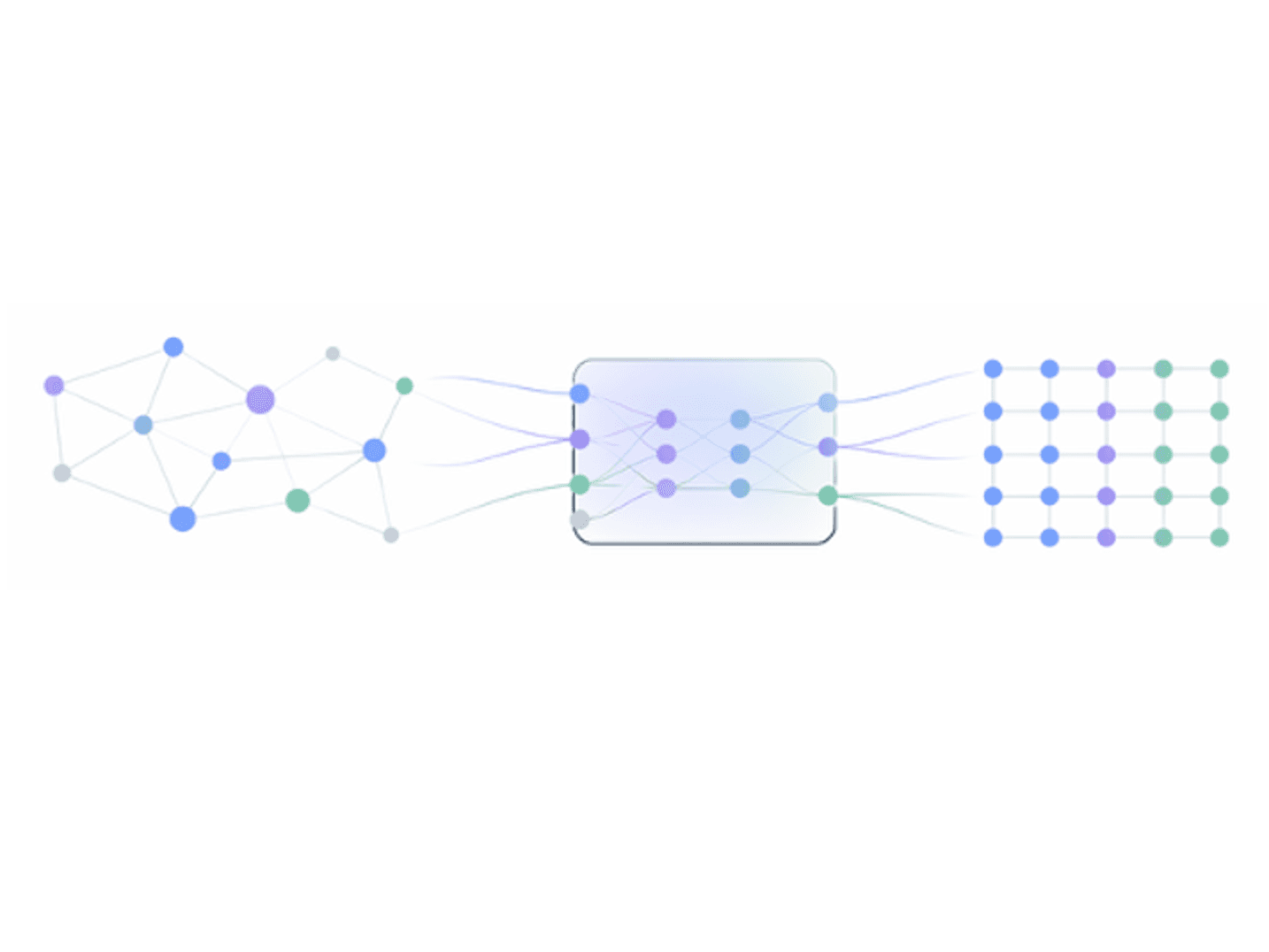
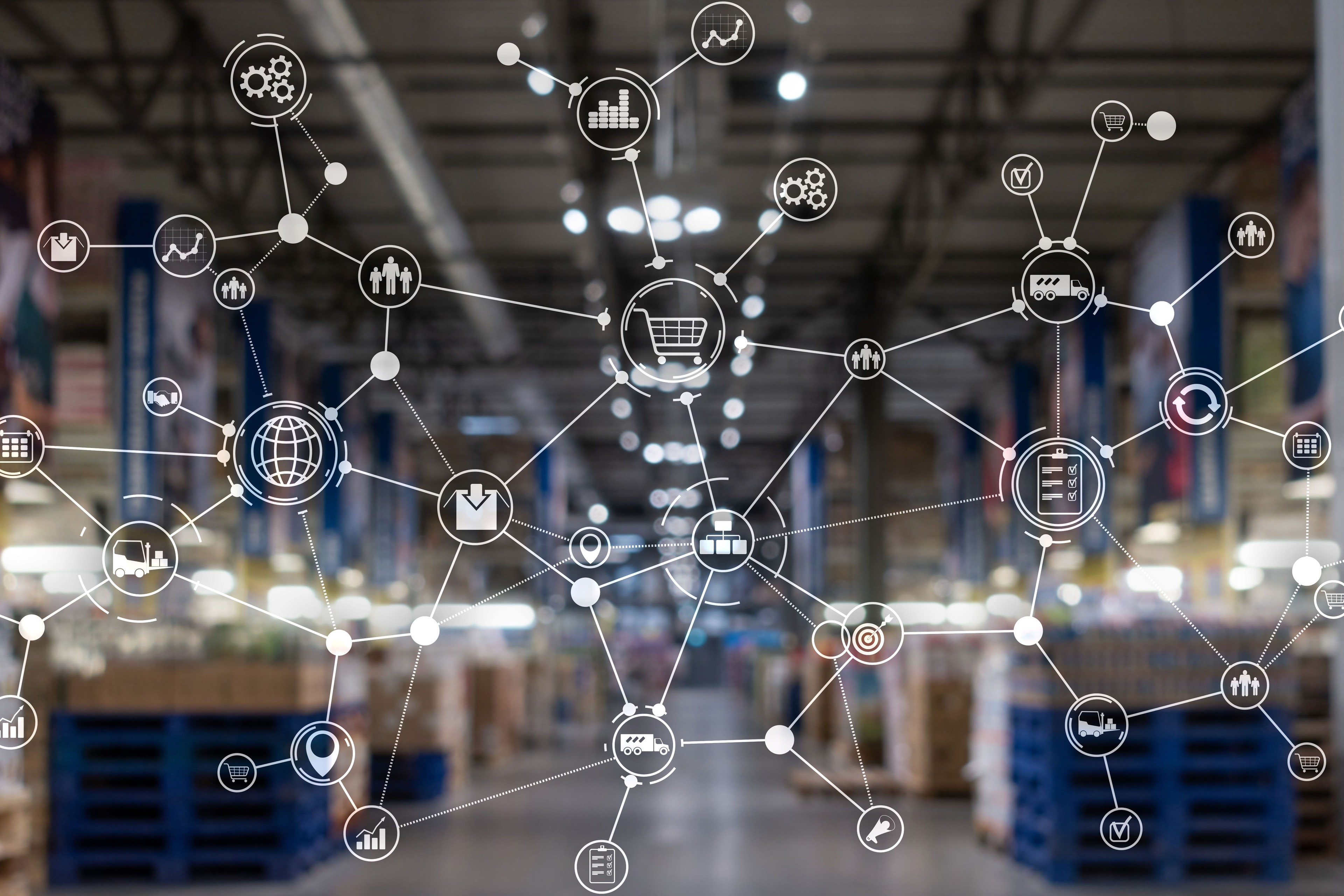
Across industries there is growing urgency to make supply chains more resilient, more transparent and more responsive. One of the most promising enablers of this transformation is the digital thread, a connected fabric of data, models and processes that links the physical and digital worlds.
The National Institute of Standards and Technology (NIST) enlisted a panel of expert organizations, including Procegence, to develop the Roadmap to Strengthen the U.S. Manufacturing Supply Chain via Digital Thread Technology (GCR 24-057). This collaborative work lays out a vision for how digital twins and digital threads can be leveraged to improve resilience and capacity in four key industries:
- Aerospace & Defense
- Agriculture
- Energy
- Bio/pharmaceutical & Medical Devices
What is the Digital Thread?
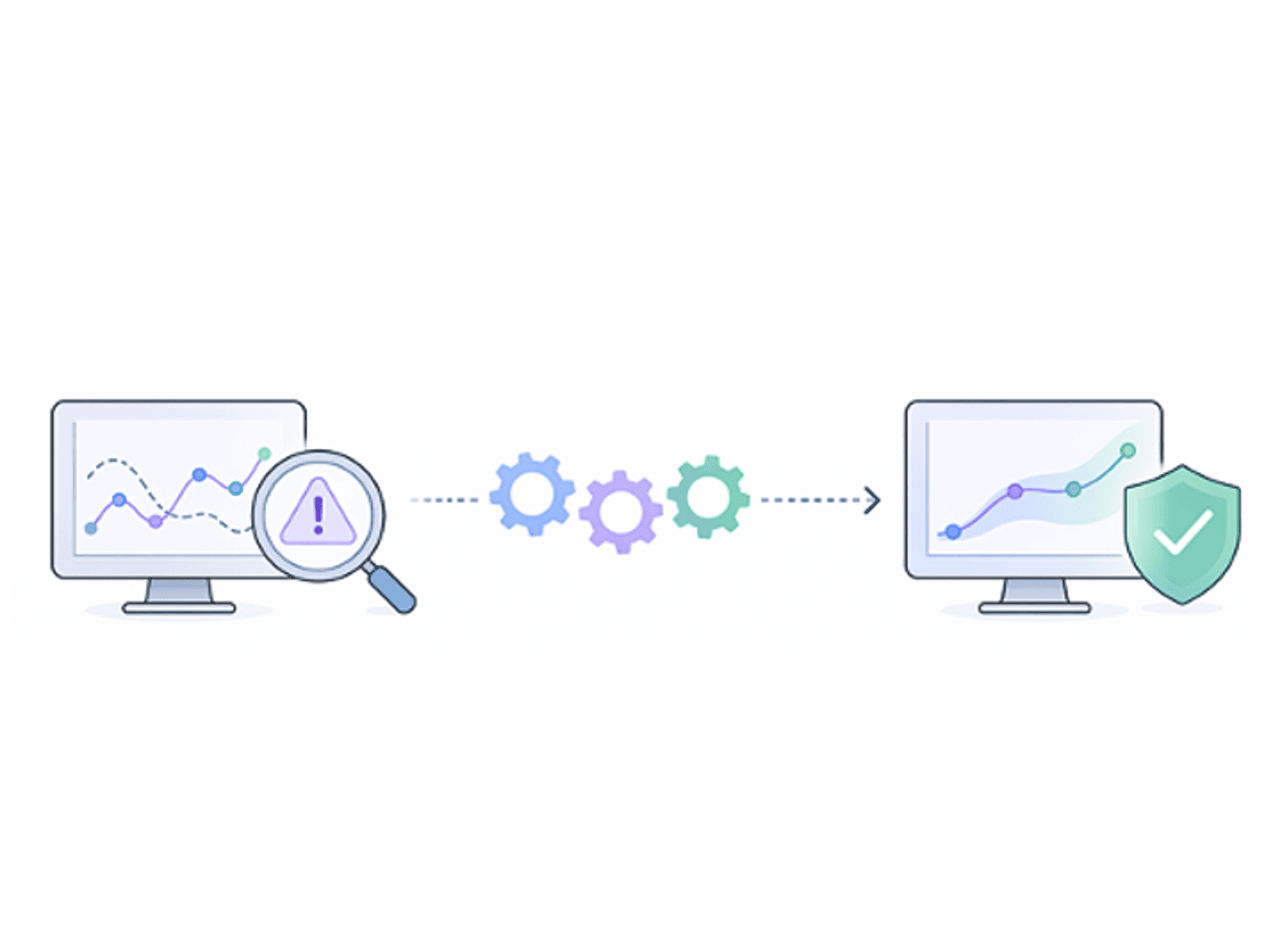
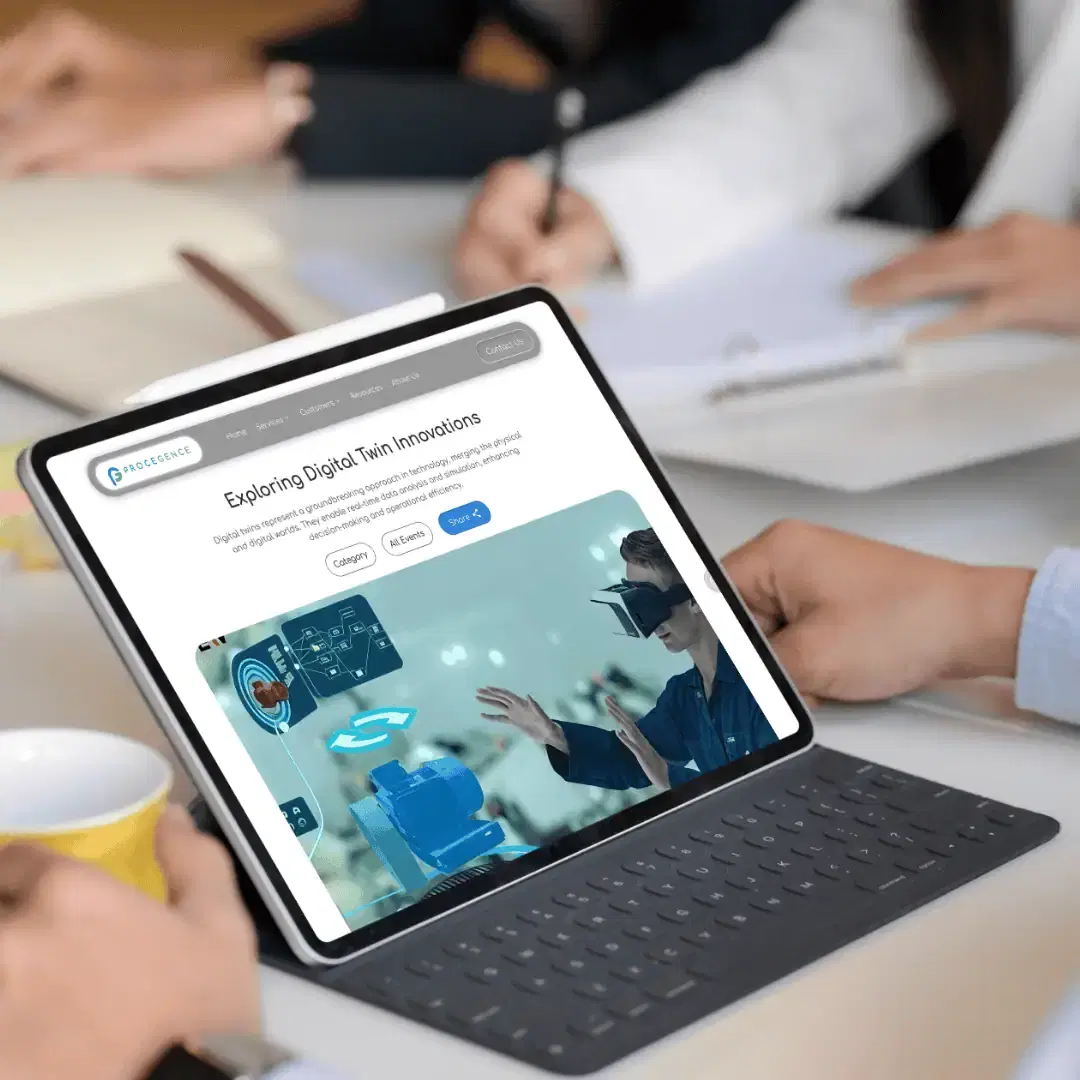
At its core, a digital thread is more than a collection of models or data points. It is a digital fabric that allows information to flow seamlessly across the product lifecycle. When combined with digital twins (dynamic, real-time virtual representations of assets and processes), the digital thread enables industries to simulate, predict and optimize performance before problems occur. In the end, this approach helps to prevent unanticipated errors and reduce risk.
According to the report, this capability is vital for:
- Supply chain resilience: understanding vulnerabilities, simulating risks and preparing for disruptions
- Supply chain capacity: optimizing throughput, scaling efficiently and supporting faster innovation
Why It Matters Across Industries
The NIST report emphasizes that the benefits of digital thread technology are not industry-specific. Examples include:
- Aerospace & Defense: Using interoperable digital twins to track complex parts across multiple suppliers, improving quality and readiness
- Agriculture: Linking sensor data, mechanistic crop models and supply chain logistics into a common digital fabric to better forecast yields and distribution
- Energy: Using digital threads to model and scale clean energy manufacturing while ensuring material traceability
- Bio/pharma: Enabling faster tech transfer and regulatory confidence by integrating process models, equipment data and quality frameworks into digital twins
The Challenges Ahead
While the potential is enormous, the report also highlights barriers to adoption:
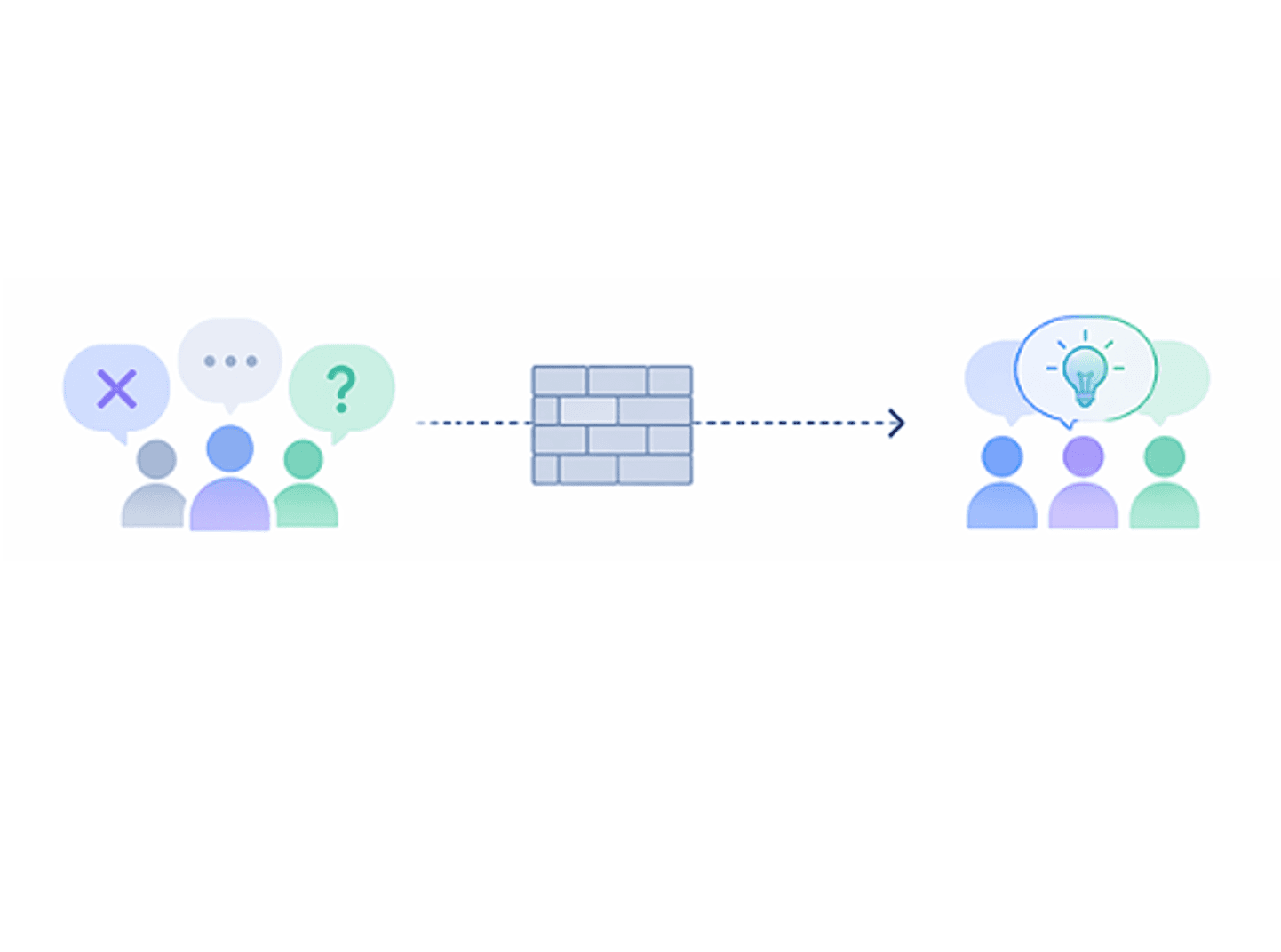
- Fragmented standards that limit interoperability across software, equipment and data formats
- Workforce readiness with organizations needing talent that can bridge engineering, data science and operations
- Trust and governance ensuring that digital twins are reliable, secure and regulatory-compliant
Without solving these challenges, digital twins risk remaining as siloed pilot projects rather than integrating into an enterprise-wide digital fabric.
Looking Forward
NIST’s roadmap underscores a key takeaway:
Digital twins and digital threads are no longer just experimental. They are becoming essential infrastructure for resilient, competitive industries.
And although there are hurdles, organizations do not need to wait for perfect standards or massive datasets to begin. Leveraging mechanistic, data-driven and hybrid modeling approaches, companies can start small, build digital capabilities incrementally and scale as the digital fabric matures.
How We Can Help
The team at Procegence was honored to have contributed to this collaborative project with NIST, given the alignment with our commitment to lowering the barriers to adoption of modeling & simulation tools. Procegence provides Simulation-as-a-Service, helping teams apply modeling & simulation whether they are just getting started or already have in-house expertise. By combining first-principles science with data-driven methods, we help our clients move closer to the future that NIST envisions: connected, resilient supply chains powered by digital fabrics.
Curious as to how your team can start realizing the benefits of digital twins and digital threads? Contact us today to explore how we can help you unlock value from modeling & simulation no matter your expertise level.