Over the past decade, industries from pharmaceuticals to energy have been rethinking the geography of their manufacturing and supply chains. Long before the Trump administration’s 2025 executive orders, a push toward onshoring -bringing production back to the United States - was already underway.
The stakes are high: companies are investing millions, sometimes billions, in new facilities, technologies, and processes. But as history has shown, even with capital in hand, the road from intention to full-scale production is filled with risks of delays, inefficiencies, and costly missteps.
Technical challenges arise during new product and process development along with technology transfer from overseas to domestic manufacturing. Contributors to these hurdles include:
- Material scarcity: shortage of materials needed for experimental DoE, especially at manufacturing scale
- Time constraints: unrealistic expectations around deliverables
- High labor costs: North American labor is much more expensive
- Regulatory considerations: lack of regulatory harmonization between certain countries
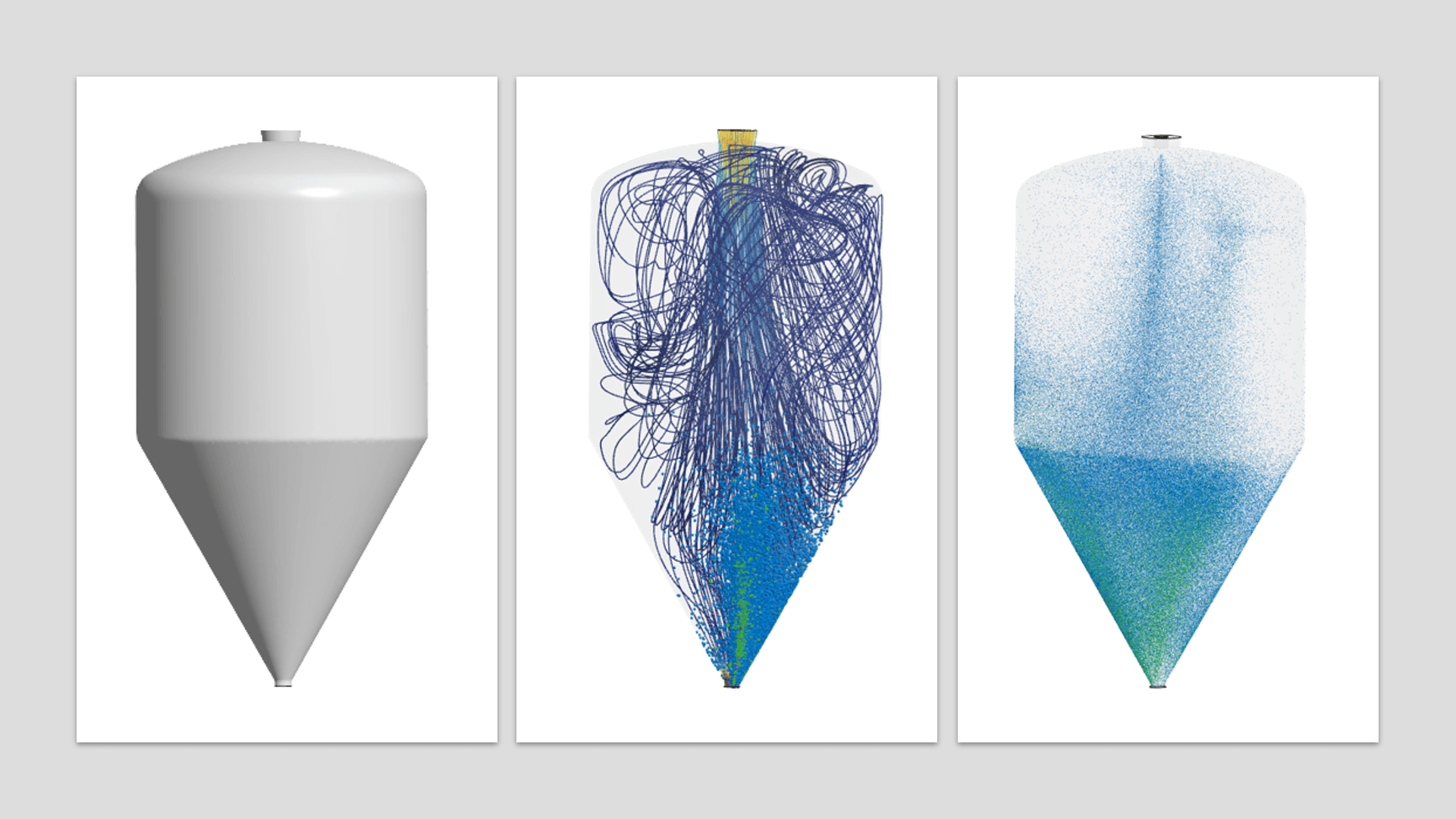
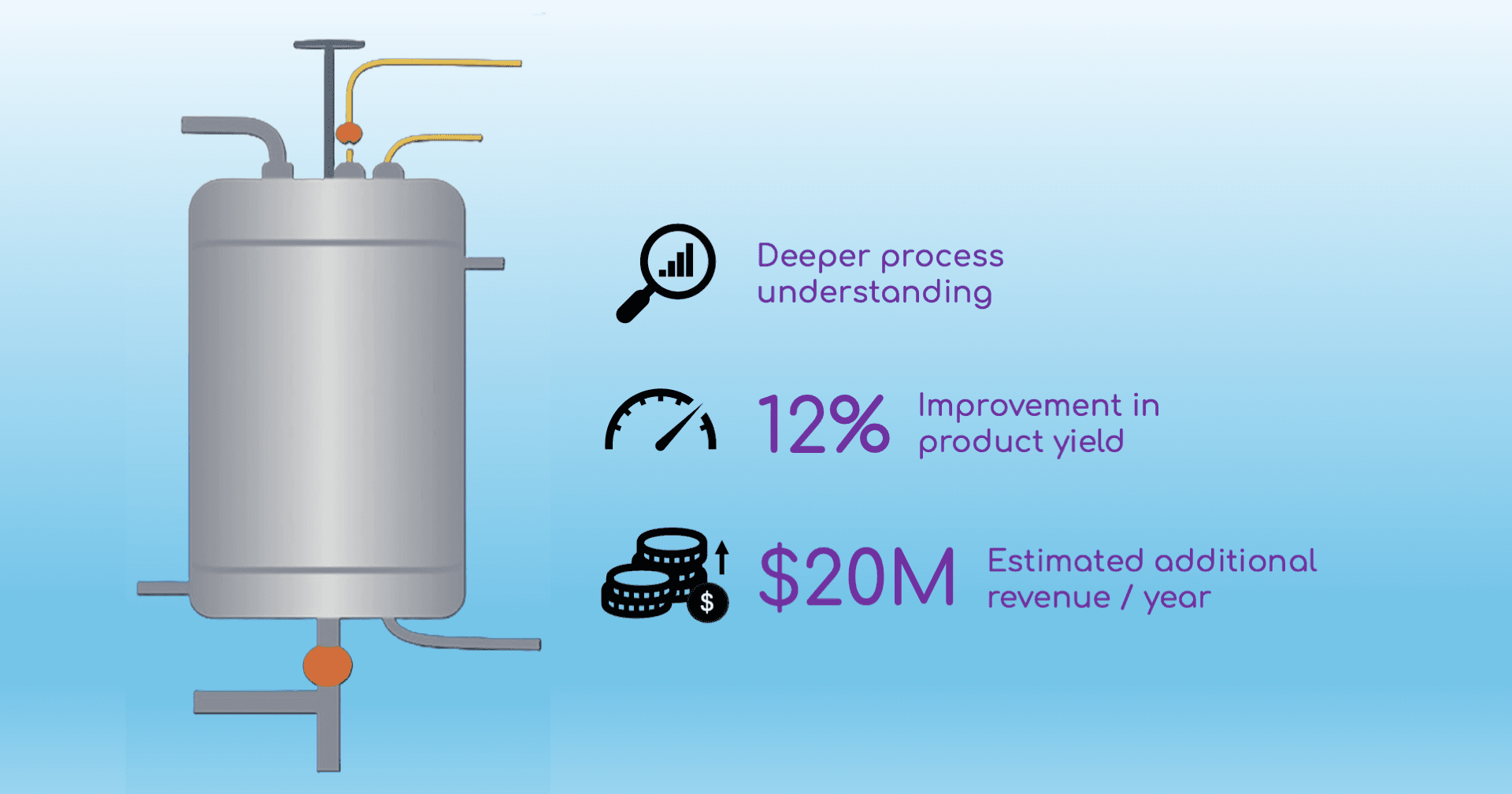
Procegence brings deep expertise in mitigating these challenges through advanced modeling, simulation, and digital twin technologies. As a service provider, consultant and a collaborator on NIST-funded initiatives, Procegence has helped design, scale, and optimize U.S.-based pharmaceutical and specialty chemical manufacturing processes - accelerating tech transfer, reducing experimental burden and ensuring that new facilities start up efficiently and compliantly.(1,2)
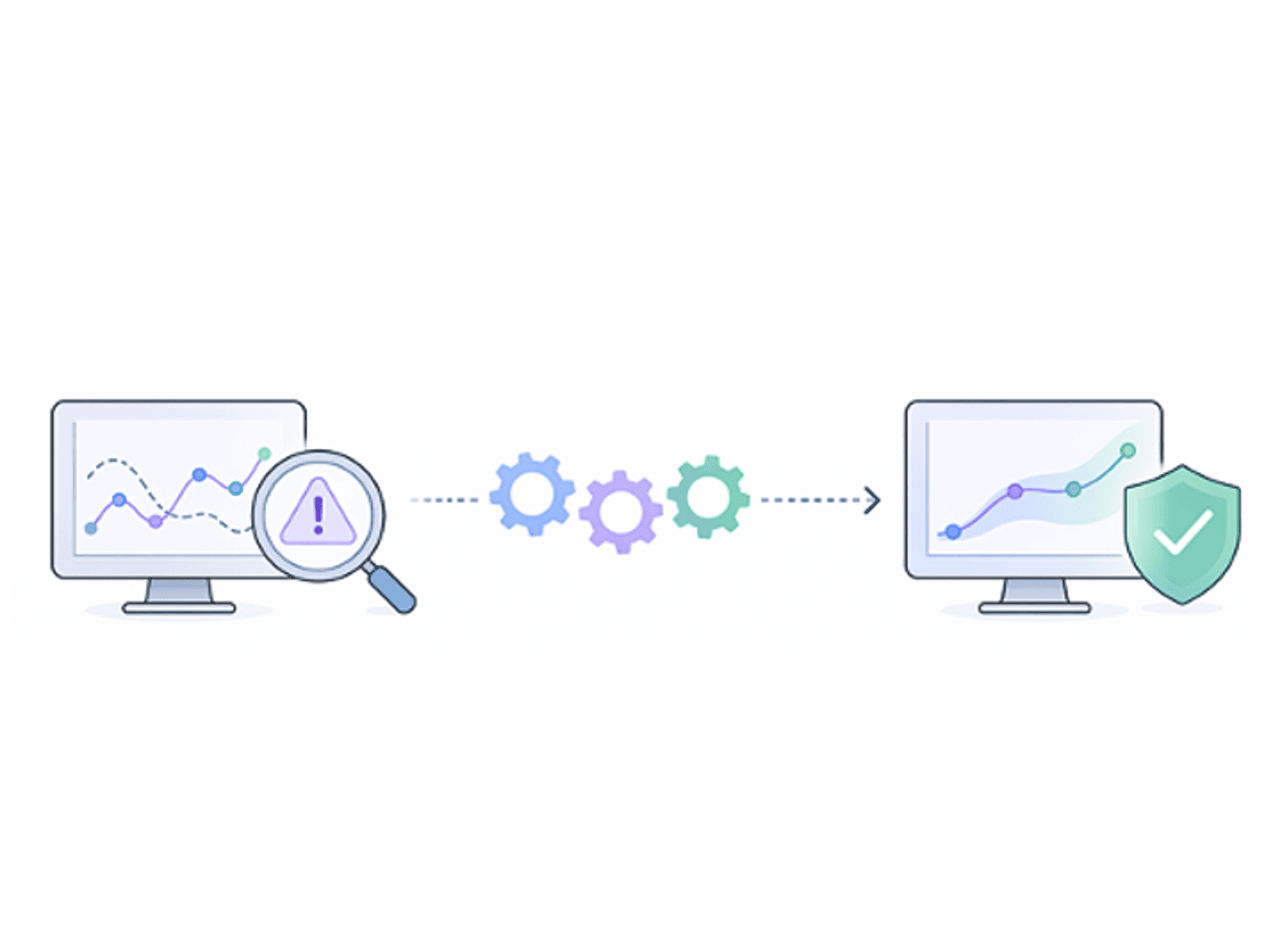
Modeling & simulation can help organizations overcome these challenges, using predictive intelligence (building and transferring processes more quickly and efficiently than traditional approaches) and comprehensive equipment characterization.
Why has there been a push for onshoring?
- Supply chain fragility: There have been numerous examples of supply shortages in recent decades, but the COVID-19 pandemic exposed how heavily global industries rely on single-source suppliers for critical ingredients and components.(3)
- Geopolitical pressures: Trade tensions, tariffs, and national security concerns have made domestic production more attractive, particularly in bio/pharma, fine chemicals, and critical minerals and components.
- Government incentives: Programs such as the CHIPS and Science Act (2022) for semiconductors, and the Inflation Reduction Act (2022) for clean energy, created momentum even before executive actions of 2025.
- Public health and sustainability goals: From drug security to greener energy transitions, companies face mounting expectations from regulators, investors, and the public.
For each sector, securing investment does not guarantee a new site will be constructed. And a brand-new facility does not ensure optimized process design or seamless tech transfer and scale-up.
Industry Perspectives
Pharmaceuticals & Biopharmaceuticals
Bio/pharma has been an integral part of the onshoring conversation. Reliance on overseas contract manufacturers of active pharmaceutical ingredients (APIs) and high-profile shortages underscored the need for additional supply in the U.S. and Europe. Amgen, Eli Lilly, and Pfizer are just a few examples of companies that have announced billion-dollar domestic expansions in R&D and manufacturing, collectively.(4-6)
- Use cases for modeling & simulation:
- Scaling upstream and downstream bioprocesses with limited pilot data
- Designing control strategies for APIs under accelerated timelines
- Optimizing fill-finish operations to minimize waste and ensure sterility
Tech transfer and scale-up are notorious bottlenecks, and for new candidates in development, shortening timelines is critical when every day lost can cost ~$500 or more in patent exclusivity value.(7)
Fine Chemicals
The fine chemical sector, essential for pharma intermediates, agrochemicals, and specialty materials, faces volatility in raw material prices and energy costs. Like APIs, production has been concentrated in Asia, but supply disruptions have triggered a reevaluation. Not surprisingly, BASF and other multinationals have signaled renewed U.S. investments.(8)
- Use Cases for Simulation:
- Reaction modeling to improve yield and safety
- Process intensification to reduce energy use
- Virtual plant design to anticipate regulatory compliance hurdles
Here, mechanistic models capture reaction kinetics and thermodynamics, giving companies confidence in scaling sensitive processes without expensive and risky batch trials.
Food & Beverage
The pandemic revealed vulnerabilities in global ingredient sourcing, while consumer demand for sustainable, local products continues to grow. Nestlé and PepsiCo have expanded U.S. production lines in recent years.(9,10)
- Use Cases for Simulation:
- Shelf-life prediction without long physical studies
- Process optimization to reduce water and energy use
- Facility planning for new domestic plants
By simulating product stability or bottling line efficiency, companies can accelerate launches and cut resource waste, aligning with sustainability commitments.
Energy, Gas & Renewables
In the energy sector, the push to onshore is both economic and strategic. U.S. investment in renewables has surged since the Inflation Reduction Act, while executive orders in 2025 further incentivized domestic oil, gas, and critical mineral production.(11) Companies like First Solar and Swift Current Energy have announced billion-dollar U.S. projects.
- Use Cases for Simulation:
- Optimizing renewable energy storage and grid integration
- Modeling refinery and petrochemical process retrofits
- Critical mineral extraction process design
Simulation reduces risk in capital-intensive projects by testing “what if” scenarios before a single piece of equipment is installed.
Technology Providers
Semiconductors and advanced materials represent perhaps the most visible case of onshoring. The CHIPS and Science Act spurred nearly $400 billion in U.S. semiconductor investment commitments in 2 years.(13) But scaling chip fabrication or new material platforms is complex, requiring exacting control of processes at the atomic level.
- Use Cases for Simulation:
- Cleanroom process design and yield optimization
- Advanced material formulation modeling
- Digital twin development for fab operations
Here, simulation ensures early design decisions support manufacturability and scalability, preventing costly retrofits.
Tapping into Modeling & Simulation
Despite the recognized value of modeling & simulation, these approaches remain underutilized because many organizations lack in-house expertise or cannot justify building teams from scratch. Procegence was founded to close this gap. Our Simulation-as-a-Service approach provides on-demand, customized support -an outsourced partner model that helps you de-risk onshoring investments without the overhead.
As your organization considers or undertakes onshoring initiatives, don’t let inefficiencies, delays, or uncertainty erode the return on your investment. Contact us today to discuss your challenges and learn how Procegence can help you accelerate progress with Simulation-as-a-Service.
References
- Yazdanpanah, N, et al. (2022) Accelerated Modular Process Development for Domestic Manufacturing of Critical Pharmaceutical Precursors. 2022 AIChE Annual Meeting.
- RAPID / AIChE. (2022, March 4). RAPID awarded $9.5 million grant from NIST to fund pandemic response projects. AIChE / RAPID news release.
- U.S. Food & Drug Administration. (2019). Drug Shortages: Root Causes and Potential Solutions.
- Eli Lilly and Company. (2023). Lilly plans to build new $6.5 billion facility to manufacture active pharmaceutical ingredients. Investor Relations News Release.
- State of Michigan – Office of Governor Gretchen Whitmer. (2022, December 5). Gov. Whitmer announces Pfizer investing $750 million in Michigan facility. Press Release.
- Amgen Inc. (2023). Amgen announces $650M expansion of U.S. manufacturing, creating hundreds of new jobs. PR Newswire.
- Smith, Z.P., DiMasi, J.A., & Getz, K.A. (2024). New estimates on the cost of a delay day in drug development. Therapeutic Innovation & Regulatory Science, 58(5), 855–862.
- Ascension Economic Development Corporation. (2022, July 19). BASF commits $780 million to complete Geismar chemical plant expansion.
- Nestlé USA. (2022). Nestlé announces new $675 million beverage factory in Glendale, Arizona. Press Release.
- PepsiCo Beverages North America. (2022). PepsiCo acquires land for $1.2 million-square-foot manufacturing facility in Denver expansion. PR Newswire.
- The White House. (2025, April). Executive Order on ensuring national security and economic resilience through Section 232 actions on processed critical minerals and derivative products. Presidential Actions.
- Swift Current Energy. (2022, October 26). Swift Current Energy and First Solar in agreement for 2 GW of American solar modules.
- The White House. (2024, August 9). Fact Sheet: Two years after the CHIPS and Science Act, Biden–Harris Administration celebrates historic achievements in bringing semiconductor supply chains home.