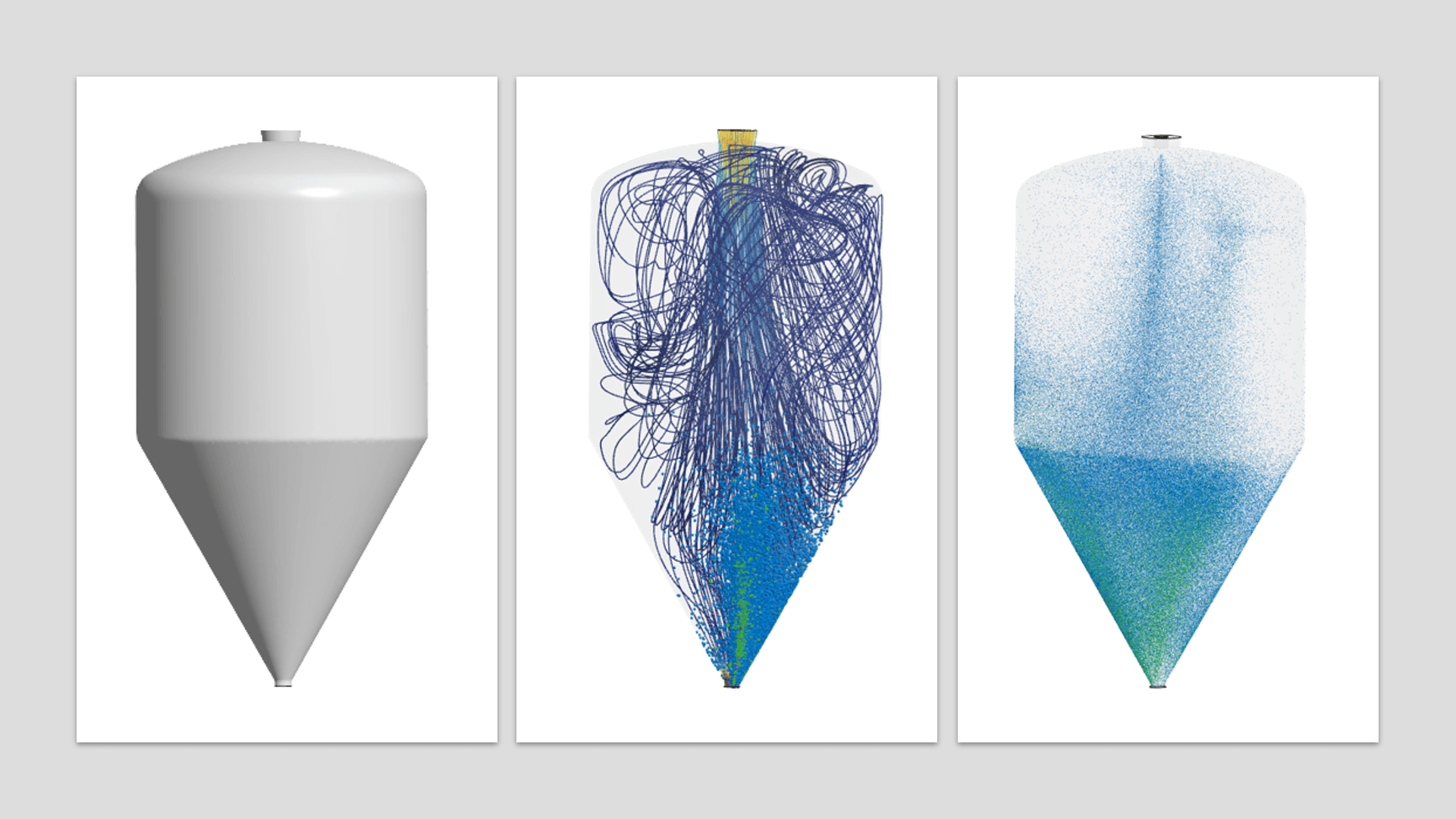
The 2026 IFPAC Global Conference took place in March 2026, and as in past years, Procegence had a significant presence, reconnecting with colleagues, friends, and clients across industry, academia, and regulatory agencies, and contributing three technical presentations:
- Process Model and Simulation Development for Optimization of Continuous Reactive Crystallization with Impurity Purging
- Data System, Information Architecture, and Dynamic Data Reconciliation for Advanced Process Control of an Industrial Scale Manufacturing Platform
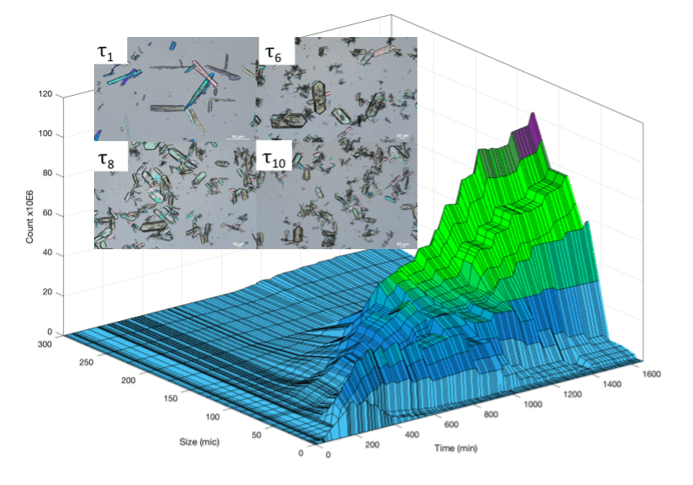
- Continuous Reactive Crystallization with Impurity Purging Analysis for Nitrofurantoin
Across the conference sessions and industry presentations, a clear and consistent theme emerged: the adoption of modeling and simulation (M&S) as a core enabler of modern process development, optimization, and control has been gaining traction. Many talks highlighted how organizations are increasingly leveraging process data for hybrid modeling approaches, i.e. combining first‑principles mechanistic understanding with data‑driven methods, to support model‑predictive optimization and control (MPC).
Several compelling case studies demonstrated how innovative companies are successfully applying mechanistic models to accelerate product and process development, scale‑up, and tech transfer. These examples reinforce the value of physics‑based and mechanistic approaches, particularly in enabling faster decision‑making with greater confidence across the product and process lifecycle.
It was especially encouraging to hear directly from regulatory agencies and their advocacy for M&S. There was strong alignment around the importance of M&S in chemistry, manufacturing & controls (CMC) activities and regulatory submissions, with clear signals supporting broader and deeper integration of modeling approaches to enhance process understanding, robustness, and lifecycle management - a service that continues to be a core competency for Procegence.
At the same time, the sessions boldly highlighted ongoing challenges in the industry. Among those most frequently discussed were:
- Data quality and reliability
- Limited data availability, especially during scale‑up and tech transfer
- Model verification, validation, and lifecycle management
Our own presentations generated strong interest from industry participants, as they continue to address these challenges. The Procegence team and collaborators showcased:
- The power of mechanistic modeling in data‑scarce scenarios
- Hybrid modeling strategies to effectively harness available process data
- Practical implementation of digital twins for process development and MPC
Overall, IFPAC once again underscored how M&S, hybrid models, and digital twins are transitioning from advanced concepts to practical, value‑driving tools across the pharmaceutical and bioprocessing landscape. The discussions, case studies, and regulatory perspectives reaffirmed that these approaches will continue to play a central role in enabling faster drug development, more robust processes, and smarter manufacturing.
We’re excited to see the momentum around these topics. Reach out to our team to keep the conversation going.